
(Professional rider preparation guide for international guests)
Welcome to your Cambodia motorbike journey.
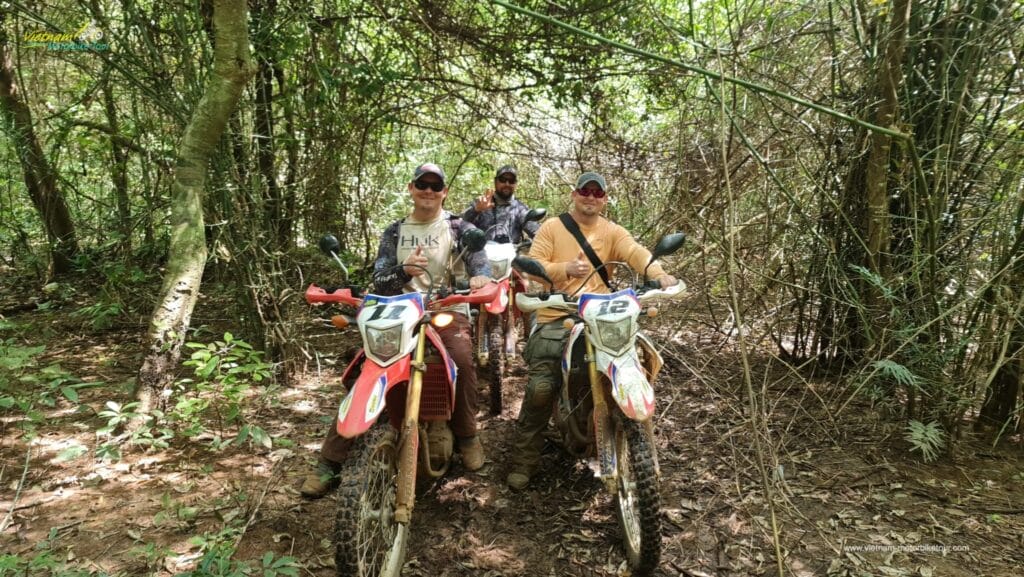
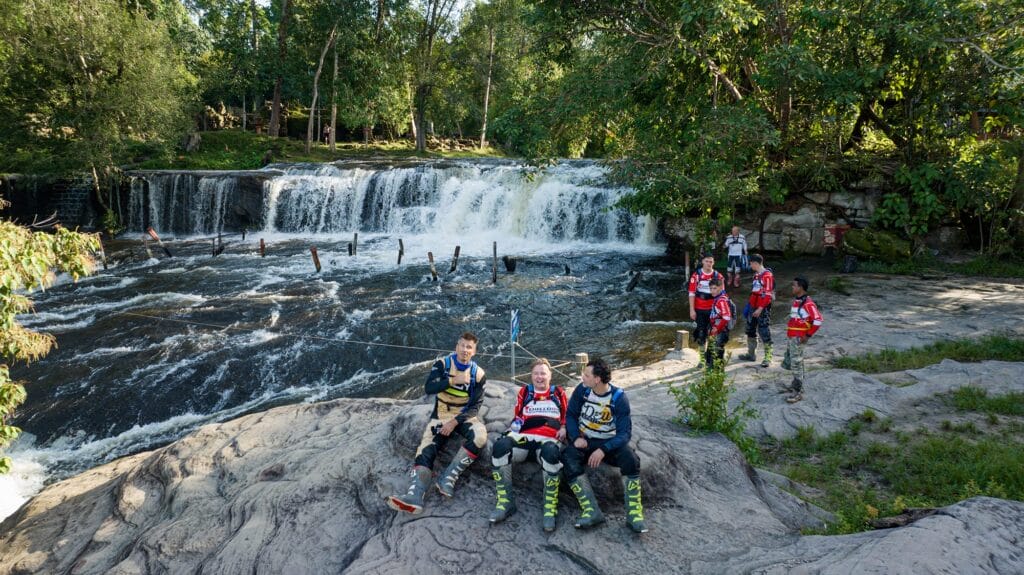
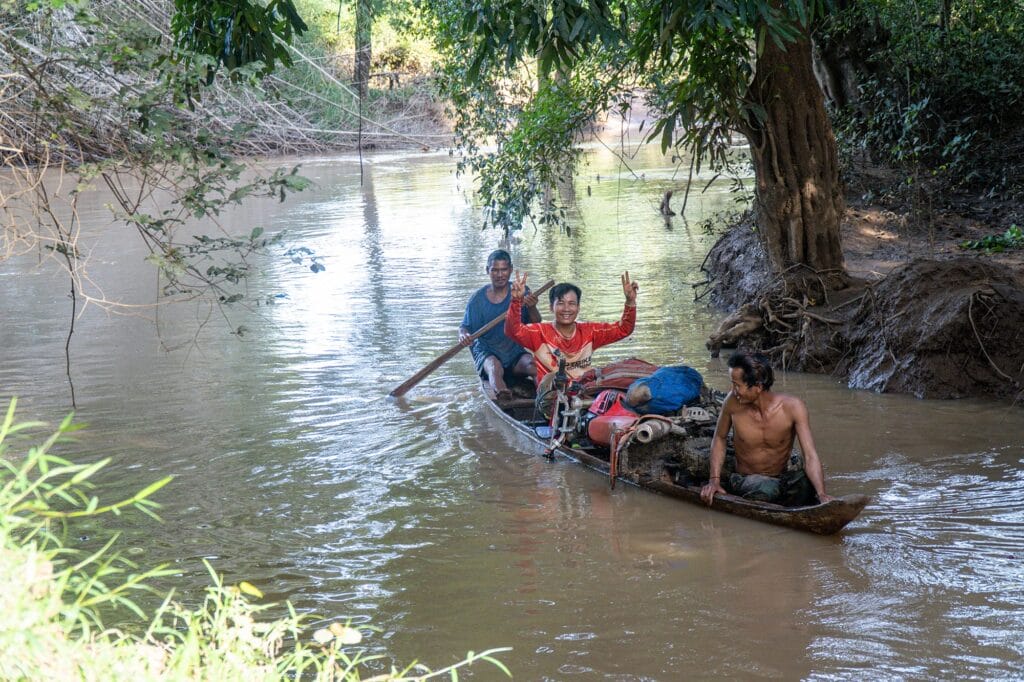
Before your wheels touch the road and the adventure truly begins, these Pre-Trip’s Notes have been prepared to help you travel with confidence, awareness, and the right expectations. Cambodia is a fascinating country to experience by motorcycle—rich in history, warm in spirit, and full of contrasts. From temple landscapes and countryside backroads to riverside towns, local markets, fishing communities, and wide open rural routes, each riding day reveals a different side of the country.
Riding in Cambodia can be incredibly rewarding, but it also requires preparation and adaptability. Depending on the season and route, road conditions may vary from smooth pavement to rough patches, gravel, dust, mud, sand, or flooded sections. Heat, sun exposure, and long riding days can also affect comfort and concentration. Understanding these realities in advance helps you ride more safely and enjoy the journey more fully.
This guide has been created to support you before departure and help you arrive fully prepared with the essentials: documents, insurance, riding gear, health readiness, traffic awareness, road hazard preparation, and a strong safety mindset. It also outlines expectations for group riding, local respect, and responsible travel.
Please read these notes carefully, prepare wisely, and come ready for discovery.
Ride thoughtfully, stay flexible, and Cambodia will welcome you with unforgettable roads, stories, and encounters.
1. Quick action timeline before departure
Use this timeline as a simple planning tool so nothing important is missed before you fly.
|
When |
What to do |
Priority |
|
4 to 8 weeks before |
Check passport validity, visa plan, riding license validity, and buy travel insurance that covers motorcycle riding. |
MUST |
|
2 to 4 weeks before |
Send passport copy, flight details, and rider information to the operator. Confirm bike type, gear sizes, and any medical or dietary notes. |
MUST |
|
7 days before |
Re-check policy wording (engine size, off-road coverage, exclusions), pack riding gear, and save digital backups of all documents. |
MUST |
|
24 to 48 hours before |
Final document check, charge devices, prepare cash/card plan, and sleep well before travel. |
MUST |
2. Rider suitability and self-assessment
This tour is designed for riders who can ride multiple days in a row while adapting to changing terrain, weather, and local traffic behavior.
Please inform the operator in advance if any of the following applies to you:
- Limited recent riding experience or low confidence on manual motorcycles.
- Uncomfortable with mountain roads, gravel, mud, sand, traffic, or rain riding.
- Current injury, surgery recovery, or health condition affecting balance, strength, focus, or endurance.
- Medication that may affect reaction time or alertness.
- Need for a lower seat, lighter bike, more breaks, or support vehicle option.
- Dietary restrictions, allergies, or medical needs requiring advance planning.
Cambodia-specific reality: heat, humidity, dust, and seasonal mud can increase fatigue quickly, even on routes that look shorter or flatter on paper.
3. Legal and insurance preparation
3.1 Riding license and legal responsibility
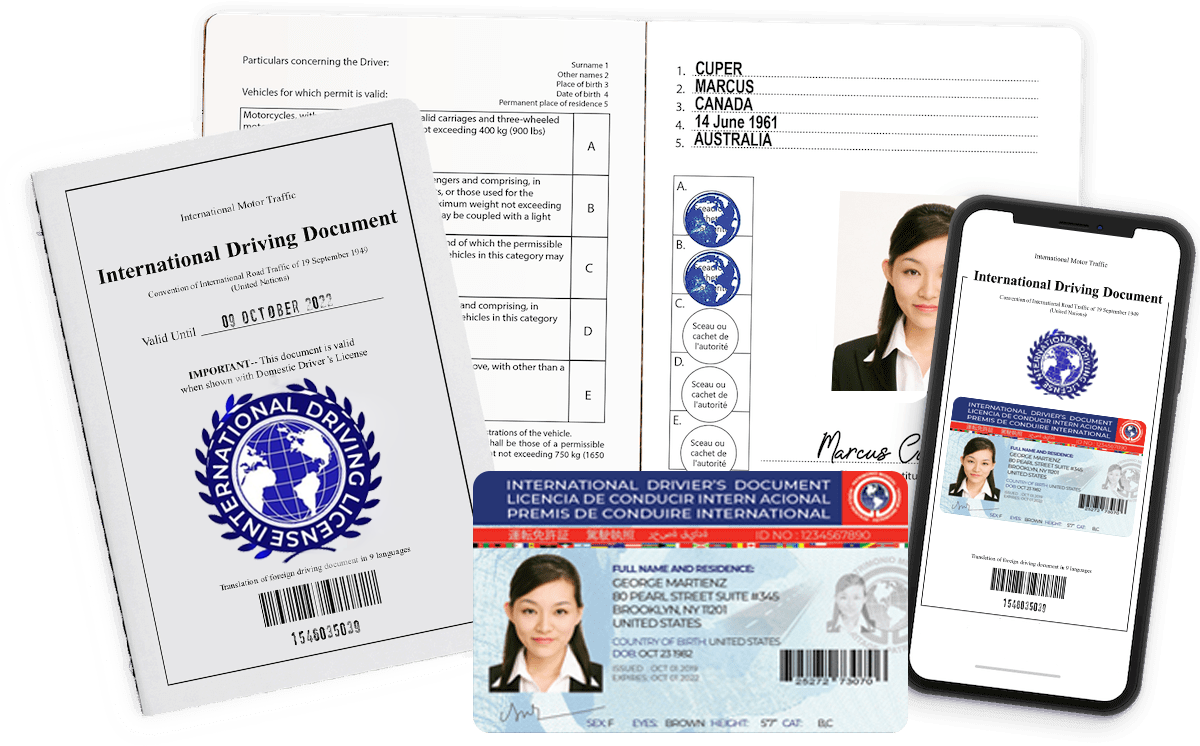
Riders are personally responsible for ensuring they are legally eligible to ride the booked motorcycle category in the destination country and that their insurance provider accepts their license documents for the activity booked.
Please verify before travel:
- Your home-country motorcycle license is valid and not expired.
- Your license category matches the motorcycle category you will ride.
- Your International Driving Permit (IDP), if used, is the correct convention format and valid for the travel dates.
- You understand any local restrictions, recognition rules, or practical requirements for foreign riders in the destination country.
- Your insurance policy accepts your license / IDP combination for claims.
Carry original documents unless your operator instructs otherwise. Keep copies separately as backup.
3.2 Travel insurance and motorcycle cover
Travel insurance is one of the most important parts of your preparation. Many standard policies do not automatically cover motorbike riding, adventure riding, or off-road sections.
Your policy should clearly state coverage for:
- Motorcycle riding activity in the destination country
- Medical treatment and hospitalization
- Emergency evacuation and repatriation
- Accidental injury
- Personal liability (strongly recommended)
- Trip interruption / cancellation (recommended)
Check policy exclusions carefully. Common exclusions include riding without valid license documents, alcohol or drug use, racing / reckless behavior, certain engine sizes, and off-road riding.
3.3 Vehicle damage deposit, excess, and liability
Before arrival, make sure you understand the tour or rental terms related to vehicle damage. This helps avoid misunderstandings during the tour.
- Deposit amount and payment method
- Damage excess / deductible amount
- What is covered and not covered
- Parts commonly excluded (e.g., plastics, levers, mirrors, lights, tires, clutch plates, water damage)
- Breakdown recovery / towing charges if outside standard support scope
- Responsibility in case of unauthorized rider use or intoxicated riding
4. Travel documents and entry preparation
4.1 Passport, visa, and travel documentation
Entry requirements vary by nationality and can change. Riders must verify current visa and entry rules before travel using official government channels or embassy information.
- Passport with sufficient validity and blank pages
- Visa or e-visa approval (if required for your nationality)
- Flight tickets / booking references
- Tour confirmation and operator contacts
- First-night hotel details and airport pickup contact
Best practice: store copies in your phone, cloud storage, and one printed backup set in separate luggage.
4.2 Recommended copies and backups
- Passport photo page and visa page (or entry stamp page)
- Motorcycle license and IDP
- Insurance certificate / policy number / emergency hotline
- Emergency contact list
- Tour itinerary and operator contact sheet
5. Health, fitness, and medical preparation
5.1 Physical readiness
Consecutive riding days require more stamina than many riders expect. The goal is not racing fitness but steady endurance, concentration, and recovery.
- Light cardio and mobility work in the 2 to 3 weeks before departure
- Stretching for neck, shoulders, wrists, hips, and lower back
- Manual-bike practice if you have not ridden recently
- Hydration habits before travel, especially in hot weather
5.2 Medical and personal needs
- Bring personal medication for the full trip plus extra days as backup
- Keep essential medication in carry-on luggage during flights
- Inform the operator of serious allergies or health conditions that may affect safety
- Bring rehydration salts / electrolytes
- Carry sun protection and basic stomach medication if you are sensitive
Cambodia-specific note: heat stress and dehydration are common causes of fatigue. Hydration planning is essential, especially on hot and dusty riding days.
6. Essential gear and packing guide
6.1 Mandatory / strongly recommended riding gear
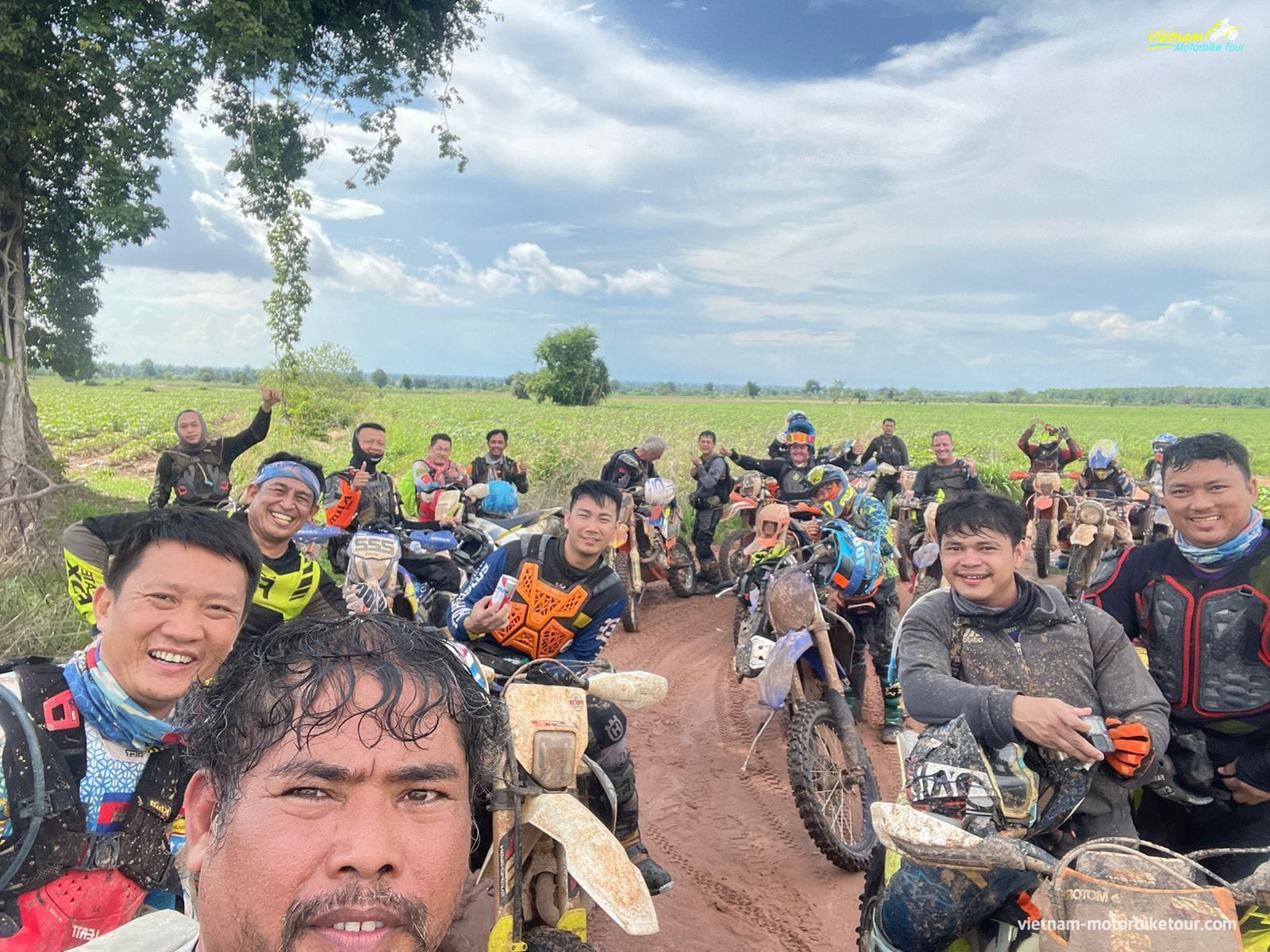
- Helmet (your own full-face or adventure helmet is strongly recommended for best fit)
- Riding jacket (armored if possible)
- Gloves (carry a spare pair if possible)
- Long pants (riding pants or armored jeans preferred)
- Over-ankle boots or sturdy closed shoes
- Rain gear (jacket and pants, easy to access)
- Eye protection / clear visor for rain, dust, low light
6.2 Personal travel essentials
- Water bottle or hydration pack
- Power bank and charging cable
- Universal adapter
- Sunscreen and lip balm
- Neck buff / dust protection
- Quick-dry clothing and a warm layer
- Small flashlight / headlamp
- Dry bags / waterproof pouches for electronics and documents
6.3 Luggage management
Pack light and organize by function. Keep a small day bag for riding essentials and a separate main bag for hotel use. Protect important items from dust, rain, and vibration.
- Keep valuables and documents on your person or in a secure day bag
- Use waterproof packing for electronics and documents
- Do not overload rear luggage on the bike unless approved by the guide
- Ask your operator what goes in the support vehicle vs. on your bike
7. Money, connectivity, and admin readiness
7.1 Money and payments
- Carry a bank card that works internationally
- Carry some cash for drinks, snacks, tips, and small local purchases
- Keep small denominations for rural stops
- Store cash in more than one place
Cambodia-specific note: card payment is improving in cities, but cash is still important in rural areas and at roadside stops.
7.2 Connectivity and communication
- Set up eSIM or local SIM (if needed)
- Save guide and operator contact numbers before Day 1
- Install your group’s communication app (WhatsApp / Telegram / etc.)
- Download offline maps if you like using navigation for backup
- Share your itinerary with a family member or emergency contact
8. Route reality and traffic culture
8.1 What riding in Cambodia feels like
Cambodia offers a wide range of riding experiences: city traffic, rural paved roads, village backroads, red-dirt routes, sandy sections, and seasonal mud. Conditions can shift quickly depending on weather and route region.
- Heat, humidity, and dust can increase fatigue quickly
- Road surfaces may change from smooth asphalt to gravel, potholes, mud, or sand
- Rural traffic includes scooters, tuk-tuks, farm vehicles, and animals
- Seasonal rain can create water crossings, slippery clay, or flooding detours
- Urban approaches can become busy and chaotic near Phnom Penh or Siem Reap
8.2 Traffic culture in Cambodia
Expect mixed road use and variable lane discipline. Ride predictably, avoid aggressive overtaking, and stay alert around markets, towns, schools, and intersections where local movement is dense and dynamic.
9. Rules and traffic behavior for guided group riding
Your guide will brief local rules and tour operating rules before departure. The following principles apply on all riding days:
- Ride at your safe pace, not someone else’s pace
- Keep a safe following distance
- Do not overtake the lead guide unless instructed
- Do not stop in blind corners or dangerous road positions
- Signal early and ride predictably
- No alcohol or recreational drugs before or during riding
- No phone in hand while riding – stop safely first if needed
- Tell the guide early if you are tired, in pain, or not comfortable with conditions
10. Road hazards and environmental risks
10.1 Common surface hazards
- Gravel in corners
- Mud after rain
- Potholes and broken road edges
- Diesel / oil patches
- Loose sand
- Roadworks and uneven surfaces
- Wet bridge decks or concrete sections
10.2 Environmental hazards
- Extreme heat and dehydration
- Dust and reduced visibility on dry dirt roads
- Monsoon rain and deep mud
- Standing water and flood detours
- Strong sun exposure and fatigue
10.3 Practical rider response
- Reduce speed before blind corners and settlements
- Increase spacing in rain, dust, fog, and rough surfaces
- Avoid target-fixating on the rider in front
- Do not rush to catch up after photo or fuel stops
- Stop early and safely if you feel fatigued or unwell
11. Police checkpoints and roadside checks
Police or local authority checks can happen. Stay calm, respectful, and cooperative. Your guide will assist where possible, but each rider remains responsible for their own legal documents and conduct.
11.1 If you are stopped
- Pull over safely and stay calm
- Remove helmet only if appropriate / requested
- Be polite and patient
- Show documents when requested
- Let the guide assist communication where possible
11.2 What not to do
- Do not argue aggressively
- Do not ride away
- Do not give false information
- Do not make assumptions – ask the guide for support
12. Breakdowns, crashes, and emergencies
12.1 Mechanical issue on route
- Move to a safe roadside position
- Signal the group / guide
- Turn off the engine if needed
- Do not continue riding if brakes, steering, or tires feel unsafe
- Wait for guide / mechanic support
12.2 If there is a fall or crash
- Scene safety first – avoid a second collision
- Check people first, bike second
- Do not move a seriously injured person unless there is immediate danger
- Call guide / support immediately
- Take photos and note location only when safe
12.3 Emergency contact preparation
Save key contacts before Day 1 and keep a written backup card in your jacket or day bag.
|
Lead Guide |
____________________________ |
|
Assistant Guide / Sweeper |
____________________________ |
|
Operations Hotline (24/7) |
____________________________ |
|
Mechanic / Support Vehicle |
____________________________ |
|
Nearest Hospital (route region) |
____________________________ |
|
Rider Emergency Contact |
____________________________ |
13. Arrival in country and pre-ride briefing
13.1 First 24 hours
- Arrive, clear immigration, and meet your transfer / guide
- Hydrate, rest, and avoid heavy drinking before the first riding day
- Check your gear and organize your luggage
- Keep documents accessible for the pre-ride verification
13.2 Pre-ride briefing and bike handover
Before departure, your team should complete a briefing covering route overview, riding formation, hand signals, daily routine, hazards, and emergency procedures. The bike handover should include a basic controls check and visible condition photos.
- Helmet and gear fit check
- Document verification
- Bike controls familiarization
- Quick test ride (if appropriate)
- Daily distance and road-type briefing
- Fuel / rest stop plan
- Group riding rules and communication signals
14. Daily departure checklist (use every riding morning)
|
[ ] |
Checklist Item |
Notes |
| [ ] |
I am rested enough to ride safely (no dizziness, illness, or severe fatigue). |
|
| [ ] |
Helmet, gloves, jacket, and proper footwear are on and ready. |
|
| [ ] |
Water, rain layer, and essential medication are accessible. |
|
| [ ] |
Documents, wallet, and phone are packed securely. |
|
| [ ] |
Bike check completed (tires, brakes, lights, fuel, mirrors, luggage straps). |
|
| [ ] |
I understand today’s route, hazards, and stop plan. |
|
| [ ] |
I have told the guide about any concern before departure. |
|
15. Cultural etiquette and responsible travel
We ride through real communities, not private tracks. Respectful riding creates better local relationships and a better experience for everyone.
- Slow down in villages and near schools, markets, temples, and homes
- Avoid unnecessary loud revving
- Ask before taking close-up photos of local people
- Dress respectfully at temples / sacred places
- Do not litter; carry your trash until proper disposal
- Follow guide instructions on local customs and sensitive areas
Cambodia-specific etiquette: temple visits and heritage sites require respectful behavior and appropriate clothing. Ask your guide about site-specific rules before visiting.
16. Professional operating standards and rider responsibilities
16.1 What the operator provides (as per package)
- Tour planning and route support
- Guide support and safety briefing
- Motorcycle as booked
- Accommodation / meals / support services as listed in your tour program
- Operational support and route adjustments when safety requires
16.2 Rider responsibilities
- Arrive with valid documents and suitable insurance
- Follow safety briefings, guide instructions, and local laws
- Ride within your ability and communicate concerns early
- Treat local communities, roads, and equipment with respect
- Accept that routes may change due to safety, weather, or road conditions
16.3 Safety over schedule
Adventure riding is dynamic. Weather, roadworks, landslides, floods, traffic incidents, or mechanical delays may require route or timing changes. Professional teams prioritize people and safety over rigid schedules.
17. Final preparation checklist by time window
17.1 Seven days before departure
- Passport, visa, license, and IDP checked
- Insurance policy reviewed and confirmed
- Gear packed and tested
- Medication packed
- Operator has your flight and emergency contact details
17.2 Forty-eight hours before departure
- Printed copies of key documents prepared
- Digital backups saved
- Devices and power banks charged
- Cash and card plan prepared
- Airport pickup / first-night logistics confirmed
17.3 Departure day
- Carry essential documents in cabin baggage
- Keep one change of clothes and essential medication in carry-on
- Stay hydrated and rest whenever possible
- Arrive calm and ready for the adventure
18. Rider acknowledgement (recommended for operator use)
This section may be printed and signed at the pre-ride briefing.
| [ ] |
I have read and understood the Pre-Trip’s Notes. |
| [ ] |
I have prepared valid license documents and understand my legal responsibility. |
| [ ] |
I have travel insurance that covers the riding activity booked. |
| [ ] |
I understand the safety rules, road hazards, and group riding expectations. |
| [ ] |
I have declared relevant medical information to the operator (if needed). |
| [ ] |
I understand that routes may change due to safety or operational conditions. |
|
Rider name |
____________________________________________ |
|
Signature / Date |
____________________________________________ |
19. Final message
Cambodia rewards riders who arrive prepared, stay alert, and travel respectfully. Ride smoothly, manage the heat and conditions wisely, and stay open to the people, landscapes, and stories that make this country unforgettable.
Join our Cambodia Motorbike Tour for a safe, well-supported adventure across temples, countryside, and hidden routes, guided by local experts who handle logistics while you enjoy the ride.