
There are countries you visit, and countries you feel. Laos belongs to the second kind.
Ride a dirt bike into Laos and the world slows down in the best possible way. The mountains in the north roll like green waves. The Mekong moves with an ancient calm. Temple bells echo through early morning mist. Village life still follows the rhythm of rice fields, river levels, and family meals, not the rhythm of notifications. It’s not just scenery—Laos is atmosphere: the smell of wood smoke at dusk, the gentle “sabaidee” from a roadside shop, the soft orange of monks’ robes against weathered teak doors.
And then there’s the riding—raw, honest, and wildly varied. One hour you’re carving along a mountain ridge with views that make you forget to breathe. The next you’re in a jungle corridor, front wheel surfing gravel, then climbing a red laterite track that can switch from dusty hardpack to slippery clay the moment rain hits. Laos doesn’t offer a “perfectly controlled” adventure. It offers a real one.
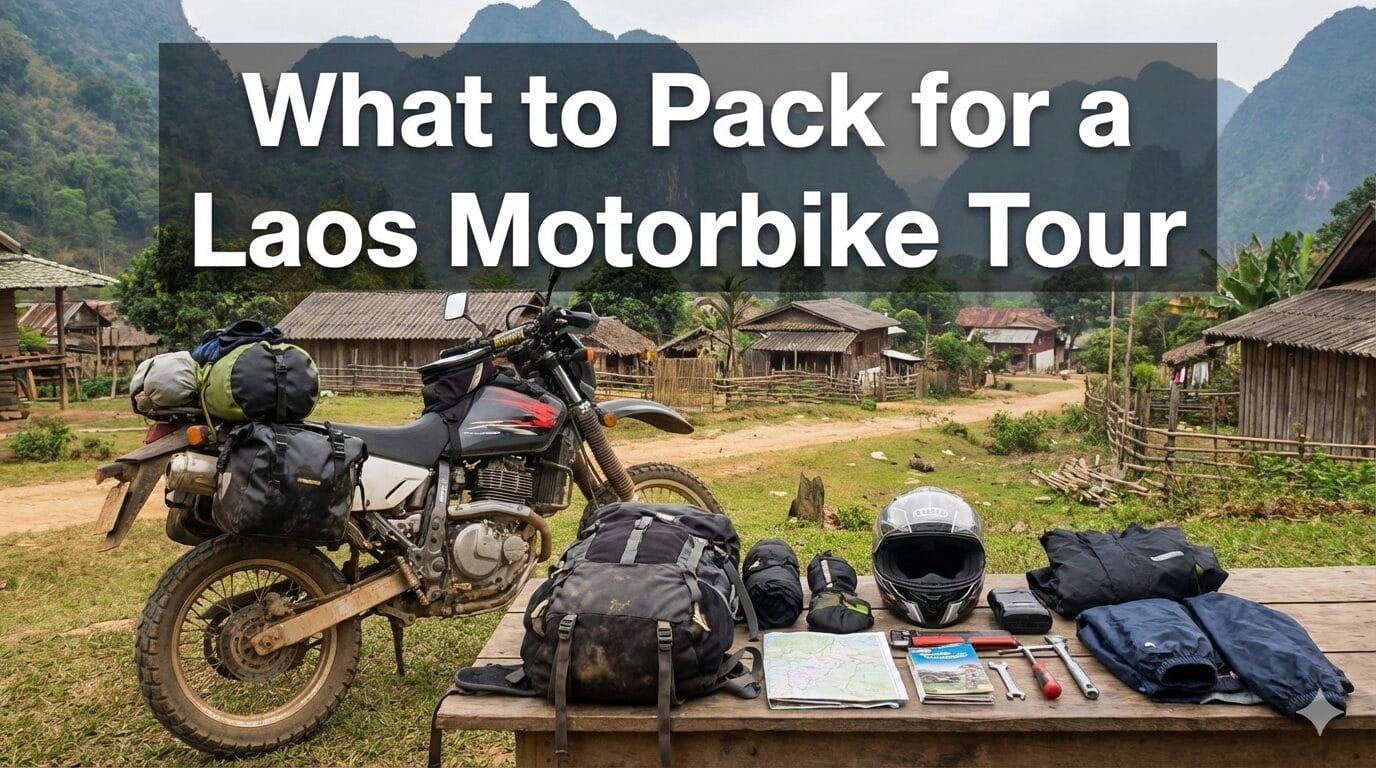
That’s why packing for a Laos dirt bike tour isn’t a casual checklist—it’s a strategy. The right setup makes you safer, calmer, and far more capable when conditions shift. This guide is designed as a trustworthy reference for riders who want to explore Laos responsibly, with practical gear choices, realistic tools and spares, a medical kit built for remote riding, and a rain plan that works when the monsoon shows up uninvited.
Know the Reality Before You Pack: Laos Riding Conditions in One Honest Picture
Seasons Matter More Than You Think
Laos has distinct seasons: a rainy season roughly May to October, and a drier, cooler period roughly November to February, with hotter months around March–April.
This affects everything: trail grip, river crossings, daily comfort, and how you waterproof your kit. If you pack for “dry season only,” Laos will eventually remind you who’s in charge.
Roads and Trails Can Change in Minutes
Even in dry months, you can hit slick patches in shade, loose gravel on corners, unexpected potholes, sand near rivers, and construction detours that turn into muddy tracks. In rainy months, those “simple dirt roads” can become heavy clay that clings to tires and kills momentum—meaning your gear should support slow, controlled riding and frequent recovery stops.
Remoteness Is the Main Character
A Laos dirt bike tour often means long distances between proper workshops and medical services. You don’t need to pack like you’re crossing the Sahara—but you do need the mindset of self-reliance: fix small problems early, keep hydration consistent, protect your skin, and plan for rain even when the forecast looks friendly.
The Core Principle: Pack for Safety, Then Comfort, Then Convenience
A high-quality Laos packing list is not “more items.” It’s fewer items chosen well.
The Three Layers of Packing Priorities
1) Survival & legality
Helmet, boots, protection, ID/visa, emergency contact, insurance clarity, basic medical kit.
2) Control & performance
Goggles, gloves, hydration system, tools for punctures, rain strategy.
3) Comfort & recovery
Sleep kit (if needed), anti-chafe, quick-dry clothing, earplugs, small hygiene kit.
Riding Gear: The Non-Negotiables for a Laos Motorbike Tour
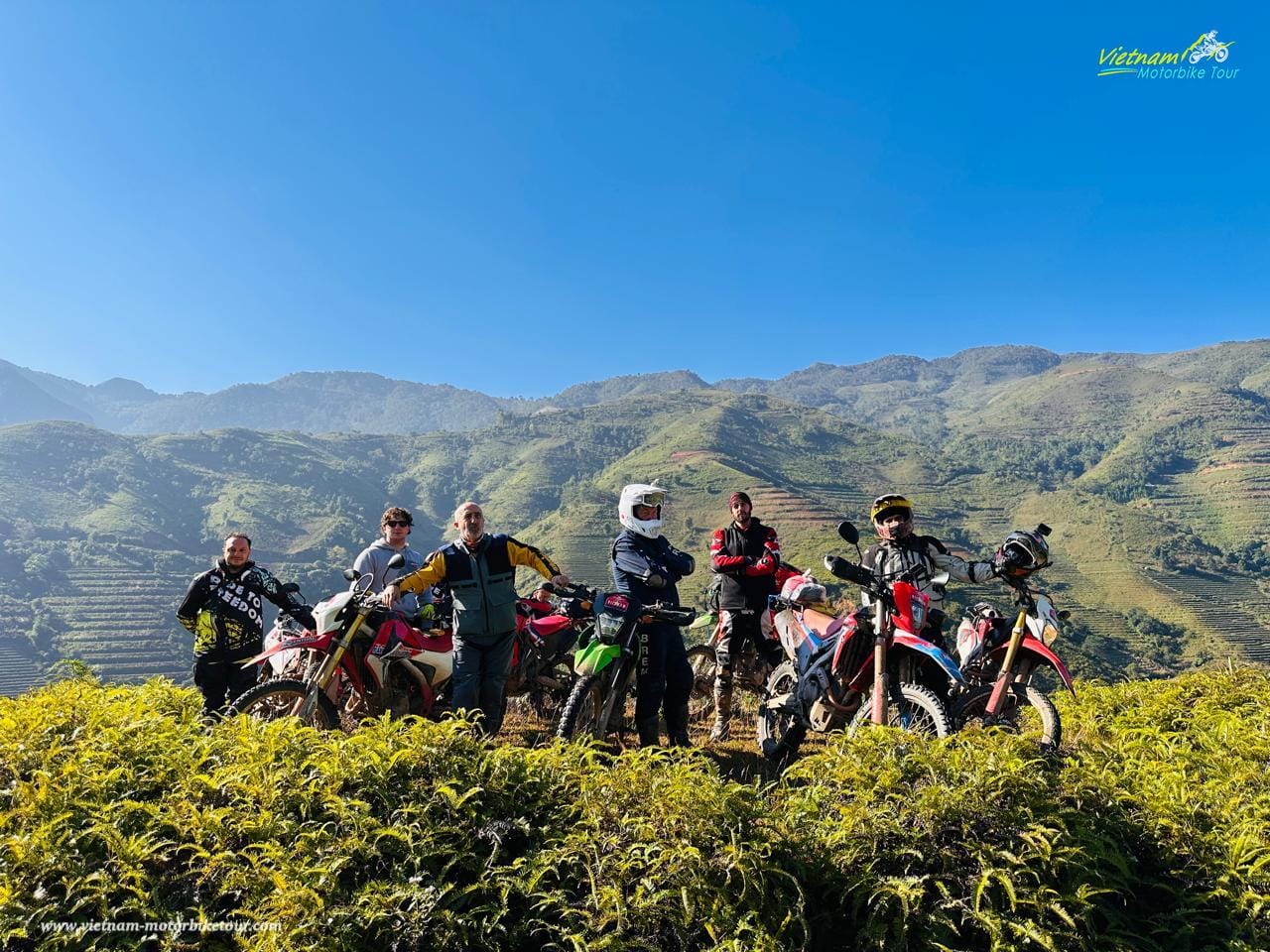
Helmet: Ventilation Is Your Secret Weapon
In tropical riding, airflow is safety. Choose an off-road helmet with strong ventilation and a peak visor. Heat fatigue causes mistakes—especially late afternoon when you’re tired and the trail gets technical.
Pro tip (real-life detail): bring a small pack of helmet wipes or a tiny microfiber cloth. Laos dust mixed with sweat becomes salt paste. Cleaning your face liner and chin area mid-day can reset your comfort and focus.
Goggles: Bring a Real System, Not a Single Pair
Laos is a visibility challenge: dust, humidity, sudden rain, low sun through trees.
Smart approach:
+ Two lenses minimum: clear (rain/forest/late day) and tinted (bright open sections).
+ Anti-fog is not marketing—humidity here makes it essential.
+ If you can, pack tear-offs or at least a spare lens cover.
The “I didn’t know I needed this” item
A tiny bottle of lens anti-fog and a cloth in a ziplock bag. It can be the difference between riding safely and riding blind.
Boots: The Item That Saves Ankles in River Crossings
In Laos, river crossings and uneven rocky steps are common. Proper off-road boots are not a luxury. They protect your ankles from awkward dabs, hidden rocks, and bike weight in low-speed falls.
If you’re doing multi-day dirt sections, prioritize:
+ Strong ankle bracing
+ Stiff sole (standing comfort)
+ Solid shin protection
Body Protection: Lightweight Is Better Than “Tank Armor”
Choose protection you’ll actually wear all day in heat:
+ Chest + back protection
+ Elbow/forearm protection
+ Knee protection (knee guards or braces depending on rider level)
A pressure suit or breathable armor under a jersey works well. Overheating leads to mental fatigue, and fatigue is where small errors become big ones.
Gloves: Bring Two Pairs (Dry + Rain)
One breathable pair for heat and one pair that handles rain and mud better. Wet gloves can cause blisters fast, and loss of grip is a safety issue.
Clothing: How to Dress for Heat, Humidity, and Respectful Village Stops
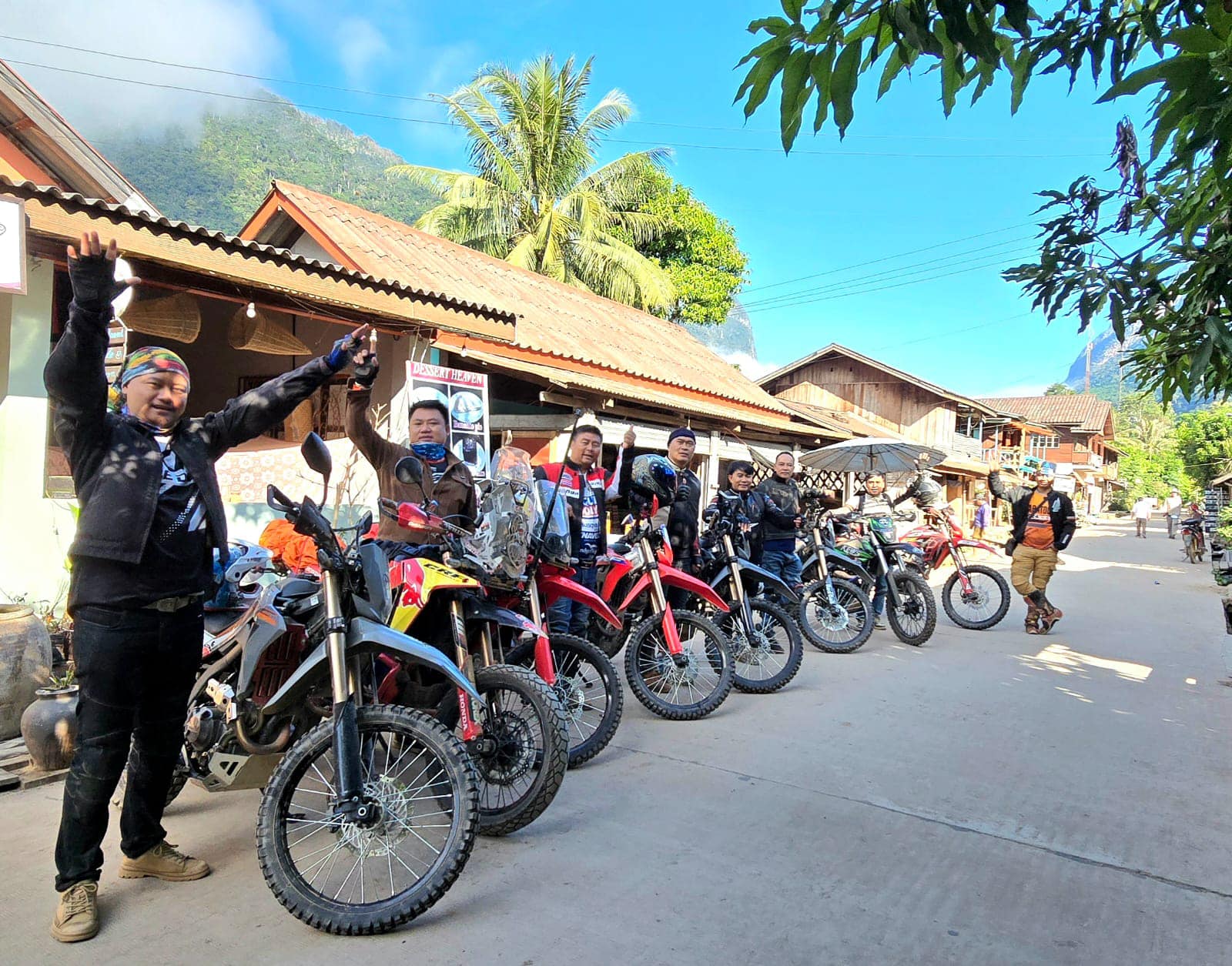
Riding Layers That Work in Laos
Avoid cotton on riding days. It holds moisture and turns into a heavy cold towel after rain.
Your best combination:
+ Moisture-wicking base layer
+ Ventilated jersey
+ Durable off-road pants or enduro trousers
Off-Bike Clothes: Respect + Mosquito Strategy
Laos is culturally conservative in many rural areas. Off the bike, modest clothing is appreciated—especially near temples and villages. Pack:
+ A lightweight long-sleeve shirt
+ Long pants or travel trousers
+ A simple buff or scarf (also useful for dust)
You’ll also thank yourself for long sleeves at dusk when mosquitoes come out.
Hydration & Heat Management: The Silent Performance Booster
Hydration Pack: Required, Not Optional
Dehydration sneaks up on riders, especially when the trail demands focus and you forget to drink. A hydration bladder (2–3L) is ideal.
Add to your kit:
+ Oral rehydration salts or electrolyte tablets
+ Small salty snacks (nuts, crackers)
Field rule: if your urine is dark, you’re already behind. Hydration is not something you “fix later.”
Sun Protection You Actually Use
You want sunscreen that doesn’t feel greasy. Choose sport sunscreen + lip balm. Laos sun can be intense, and reflective light near water makes it worse.
Luggage Setup: Keep It Simple, Keep It Dry
Soft Luggage Over Hard Cases (for Dirt)
Soft bags are safer in falls and better on uneven terrain. The golden system:
+ One waterproof duffel
+ Small daypack or hydration pack
+ Dry bags inside for clothing and electronics
Waterproofing Your Life: The Dry-Bag Logic
Assume rain will happen—even in the drier season, weather can surprise. Laos’ rainy season broadly runs May–October.
So pack like this:
+ Documents in a sealed pouch
+ Electronics in a dry bag + ziplock backup
+ Clothes separated into 2–3 smaller dry bags
This prevents “everything got wet” disasters.
Tools & Spares: What You Need vs. What You Think You Need
You’re not building a garage on your bike. You’re building a safety net for common failures.
The “Must Carry” Trail Kit
+ Compact multi-tool
+ Tire levers
+ Tube patch kit + glue
+ Mini pump or CO₂ inflator
+ Spare front tube (can work in rear in emergencies)
+ Master link (correct for your chain)
+ Zip ties + duct tape (wrapped around a small card)
+ Small headlamp (night repairs happen)
Spares That Make Sense for Laos
+ Spare levers (clutch/brake)
+ Spare bolts/nuts (common sizes)
+ Spare inner tube(s)
+ Spare spark plug (optional, but helpful)
+ Chain lube (small bottle)
The “fix anything” trio
Zip ties + duct tape + a small length of safety wire. You’ll look like a magician when something shakes loose mid-trail.
Medical Kit: Built for Dirt, Humidity, and Remote Areas
A Laos Motorbike medical kit should cover:
- wound cleaning,
- infection prevention,
- sprains and pain management,
- stomach issues,
- dehydration.
Core Contents That Actually Get Used
+ Antiseptic wipes
+ Sterile gauze + tape
+ Elastic compression bandage (sprains)
+ Blister care (hydrocolloid patches)
+ Tweezers (splinters, thorns)
+ Pain relief + anti-inflammatory
+ Antihistamine (bites/allergies)
+ Anti-diarrheal + rehydration salts
+ Insect repellent
The “Remote Riding” Additions
+ A small triangular bandage or sling
+ A pair of nitrile gloves
+ A small burn gel sachet (hot exhaust incidents happen)
Important: Carry your personal medication with prescriptions where applicable, and keep emergency contacts accessible.
Rain Strategy: The Laos Monsoon Plan That Works in Real Life
If you ride in Laos’ rainy months (roughly May–October), rain is not an exception—it’s a pattern.
1) Wear Rain Gear That Doesn’t Cook You
+ A heavy rain suit will keep you dry and miserable. Instead:
+ Lightweight breathable rain jacket
+ Waterproof gloves or over-gloves
+ Waterproof socks or over-socks
2) Protect the “Critical Dry Items” First
In rain, don’t obsess over keeping everything dry. Keep these dry:
+ Phone + power bank
+ Documents
+ One full change of clothes
+ Medical kit
3) Ride Style: Slow Is Smooth, Smooth Is Fast
+ In wet clay or slick laterite:
+ Stand more, lighten the front
+ Brake earlier, brake softer
+ Avoid deep ruts unless committed
+ Keep a wider margin on corners
4) The Stop Strategy
When rain gets heavy, you gain more by stopping than “pushing through” blindly. Laos has roadside shelters, small cafés, village shops—use them. Five minutes of patience can save an hour of bike recovery.
Legal, Insurance, and Responsible Riding in Laos
This section matters because it protects the rider and the tour operator.
Helmets Are the Rule—And Should Be Your Standard Anywhere
Research and safety publications note helmet requirements in Laos, including enforcement and penalties.
Even if you see locals riding differently, riders on tours should keep professional safety standards: helmet on, properly fastened, every time.
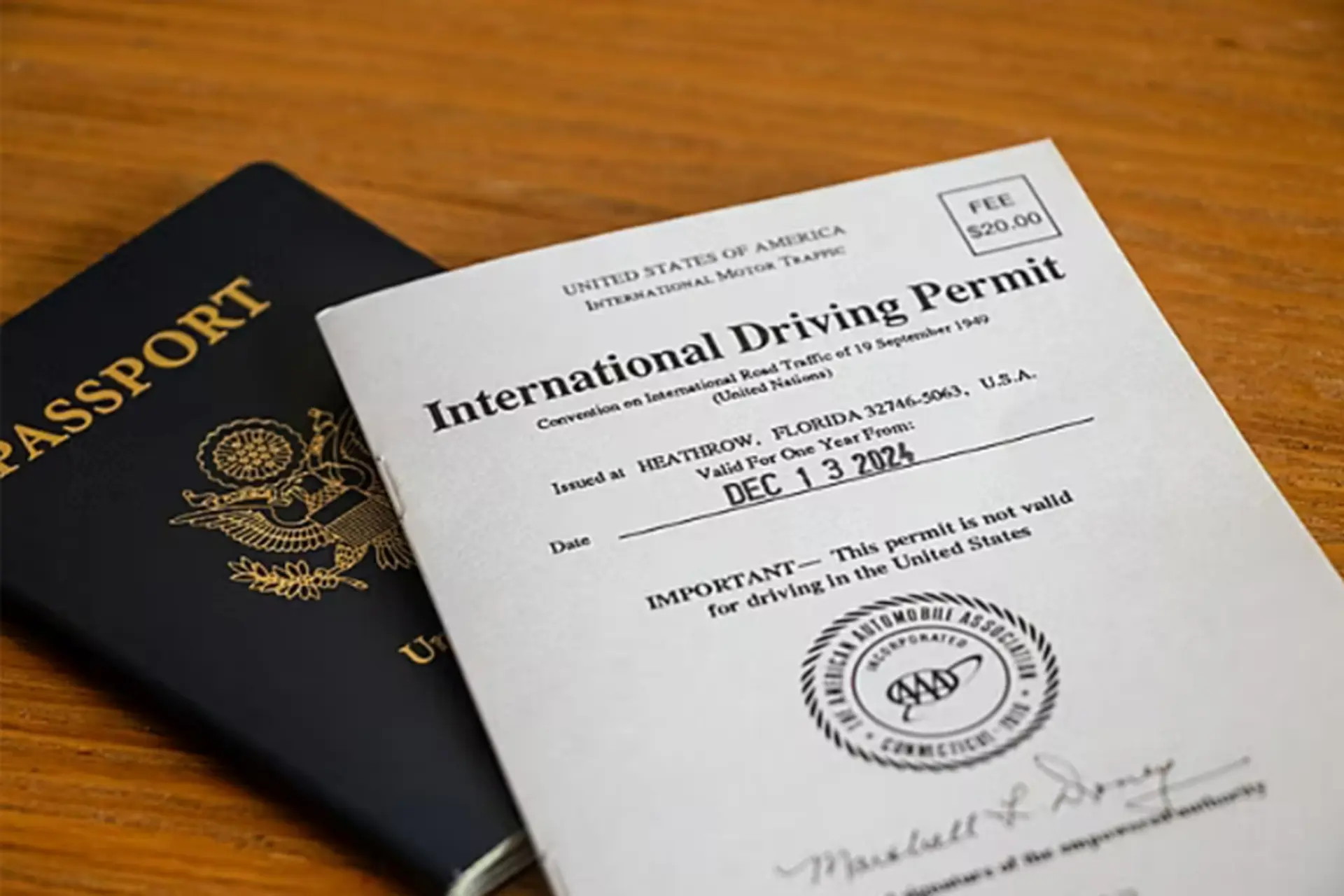
Driving License & IDP: Don’t Leave This to Guesswork
An International Driving Permit is governed by international conventions (1949/1968). The correct form depends on your home country and where you ride.
Because regulations and enforcement can vary by location and circumstance, the safest approach is:
+ Carry your valid home license
+ Carry an IDP where applicable
+ Ride only the class of vehicle you’re licensed for
+ Follow local traffic rules and guide instructions
Insurance: Many Policies Exclude Motorbiking Unless Conditions Are Met
Travel insurance can be tricky for motorbike riding—coverage may depend on engine size, helmet use, license validity, and whether you were riding off-road. World Nomads (as one example) explicitly warns that motorbiking coverage is not guaranteed and riders must verify policy details.
So the packing takeaway is practical:
+ Bring insurance details offline (PDF saved)
+ Ensure your riding activity and bike type are covered
+ Carry emergency contact numbers
(This is general guidance, not legal advice—always verify your own documentation and policy.)
The Packing List by Category: A Practical “Bring This, Not That” Summary
You can pack this as a mental map:
Essential Protective Gear
Helmet, goggles, boots, armor (chest/back/elbow/knee), 2 gloves.
Riding Comfort
Hydration pack, base layers, quick-dry jersey/pants, buff, sunscreen, electrolytes.
Tools & Spares
Tire kit, pump/CO₂, spare tube, levers, master link, zip ties, duct tape, headlamp.
Medical & Hygiene
First aid essentials, rehydration salts, insect repellent, personal meds.
Rain Strategy
Breathable rain jacket, waterproof glove option, waterproof socks, dry bags.
Documents & Tech
Passport/visa copies, license/IDP, insurance info, offline maps, power bank.
Pack Smart, Ride Deep, Leave Laos Better Than You Found It
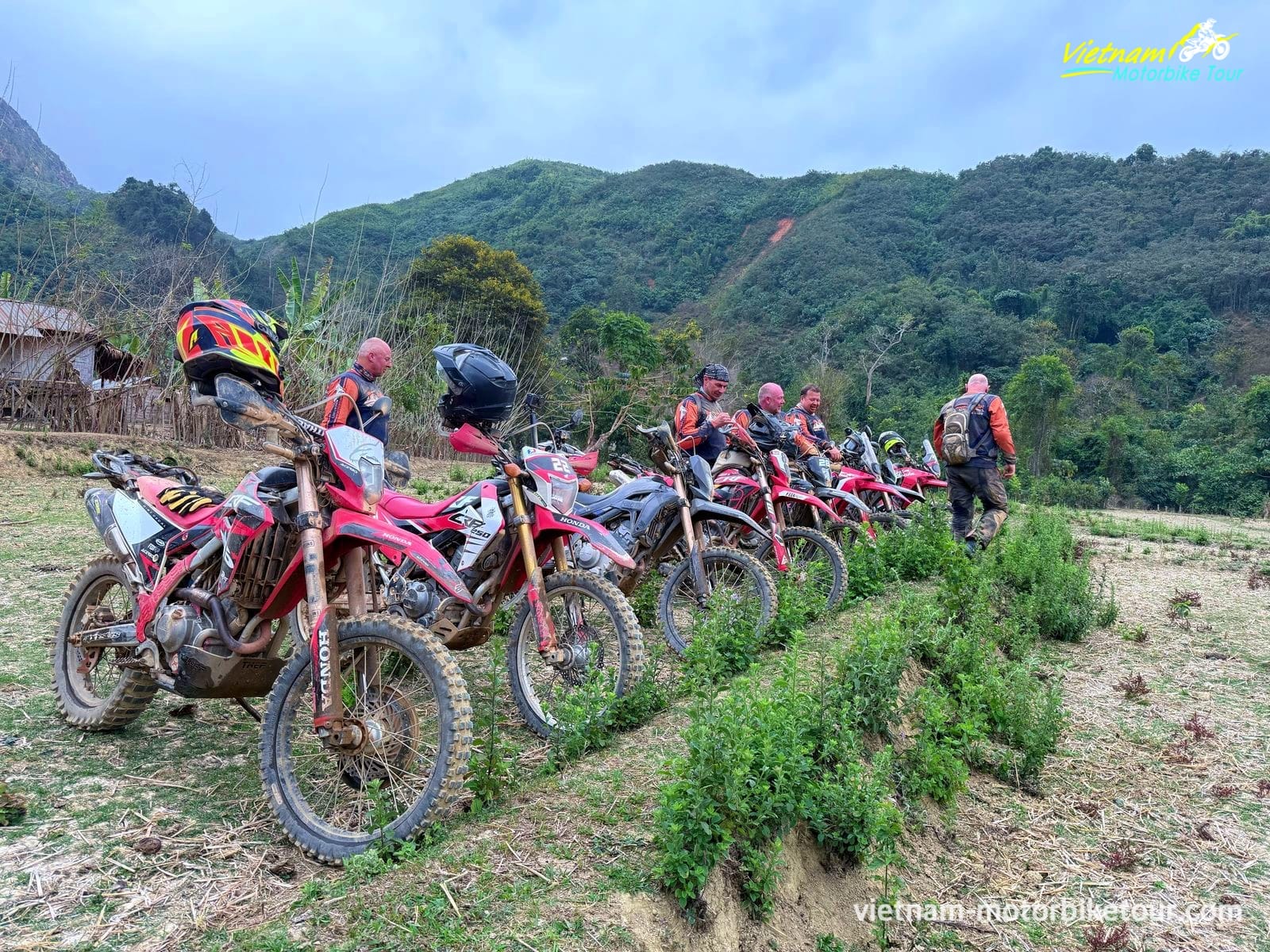
A Laos motorbike bike tour isn’t just an off-road holiday—it’s a moving story written across mountains, rivers, villages, and your own mindset.
When you pack well, you ride better. When you ride better, you’re safer. And when you’re safe and calm, you have space to notice what makes Laos unforgettable: the quiet dignity of rural life, the warmth of strangers who help without asking, and landscapes that feel like they belong to another era.
Bring the right gear, carry the right tools, respect the rules, and treat rain as part of the rhythm—not the enemy. Laos will meet you halfway, and what you take home won’t just be photos. It will be the feeling of a place that still rewards brave travelers with genuine, human adventure.
FAQ – People Also Ask about Laos Motorbike Tours
-
Is Laos good for dirt bike tours?
Yes. Laos is one of Southeast Asia’s best destinations for dirt bike tours thanks to quiet roads, remote mountain trails, river crossings, and low traffic, especially in northern regions like Luang Prabang, Xieng Khouang, and Phongsaly. -
What is the best time of year for a Laos motorbike bike tour?
The most popular period is November to February when it’s cooler and drier. May to October offers greener landscapes but requires strong rain and mud preparation due to monsoon conditions. -
Do I need prior off-road experience for Laos dirt biking?
Basic off-road experience is recommended. Trails can be rough, muddy, and remote. Guided tours can adjust routes and pace to suit intermediate riders while keeping safety a priority. -
Are dirt bike tours in Laos safe?
They are generally safe when well-organized, with proper gear, licensed riding, and local guides. Risks mainly come from weather, terrain, and remoteness, which is why preparation and support vehicles matter. -
What size dirt bike is best for Laos?
Lightweight bikes between 250cc and 450cc are ideal. They handle mud, river crossings, and steep trails better than heavier adventure bikes. -
Is rain riding unavoidable in Laos?
Even in the dry season, short rain showers can happen. In the wet season, rain is frequent but manageable with good rain gear, waterproof packing, and flexible daily riding plans. -
Do I need an International Driving Permit for Laos dirt bike tours?
Yes, it is strongly recommended to carry your home license and an International Driving Permit matching the motorbike class you ride. -
Can I rent dirt bikes in Laos or should I bring my own gear?
Most riders rent bikes locally but bring their own riding gear, boots, helmet, and personal protection for comfort and fit. -
What medical issues are most common on Laos dirt bike tours?
Minor injuries like scrapes, blisters, dehydration, insect bites, and stomach issues are most common. A well-prepared first aid kit is essential. -
Are guided Laos dirt bike tours worth it?
Yes. Guides provide route knowledge, local support, mechanical help, and cultural access that independent riders often miss, especially in remote areas.
Join our guided Laos dirt bike tours for real off-road adventure, local insight, full support, and flexible routes. Ride deeper, safer, and smarter through Laos’ wild north.