

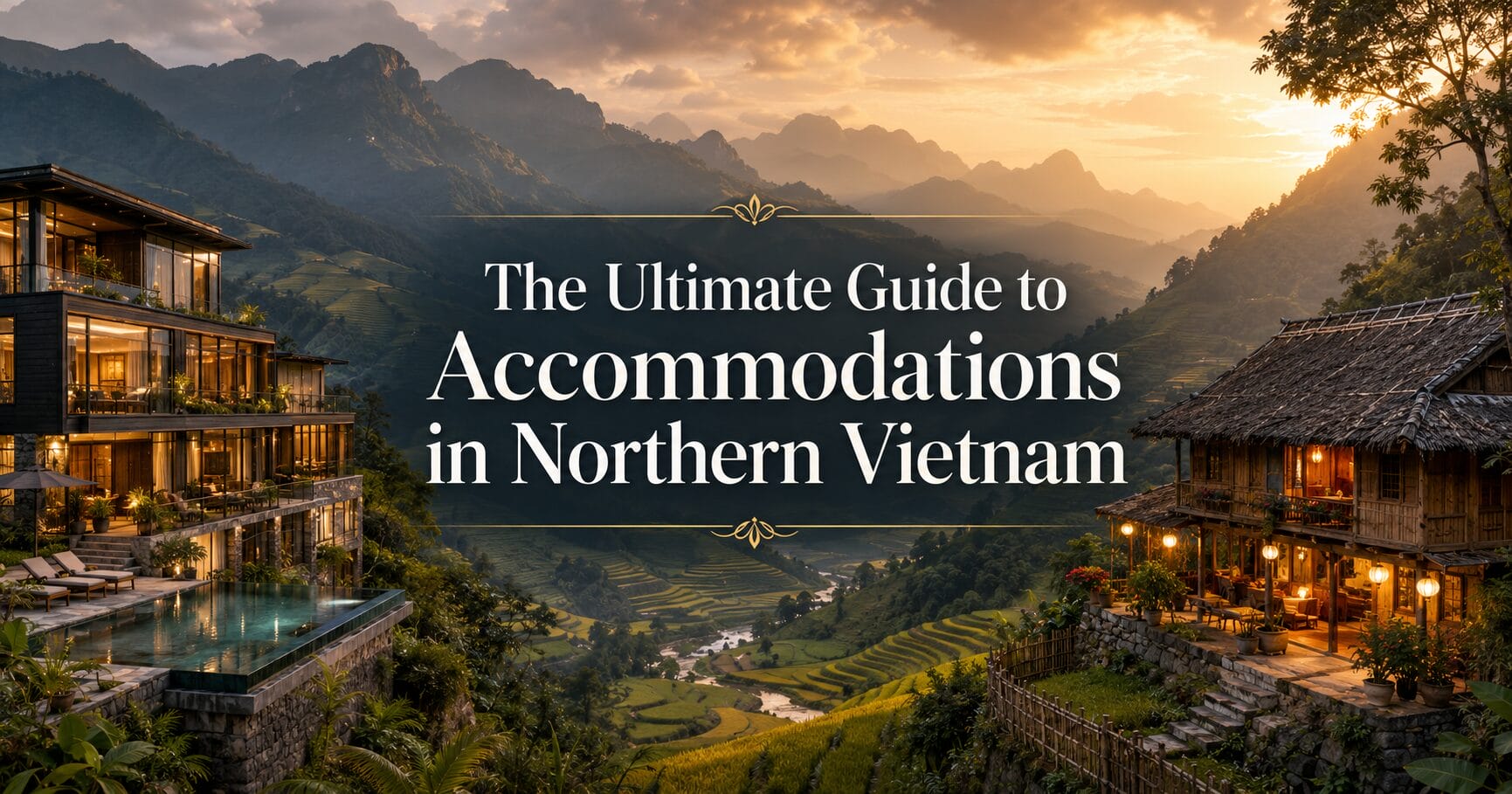
Accommodation in Northern Vietnam: What Motorbike Riders Really Need to Know Before You Go
There is a moment on almost every Northern Vietnam motorbike tour when the day begins to slow down.
The engines fall silent. Muddy riding boots are left by the door. Jackets are hung somewhere to dry. Someone orders a cold beer, while another rider simply sits quietly looking across a valley of rice terraces or limestone mountains disappearing into the evening mist.
And then comes one of the questions we are asked surprisingly often:
“What will the accommodation be like tonight?”
It is a fair question.
Northern Vietnam offers some of the most extraordinary motorcycle riding in Southeast Asia, but travelling through Ha Giang, Dong Van, Meo Vac, Ba Be, Ta Xua, Mu Cang Chai or the remote Northwest is very different from travelling between major Vietnamese cities.
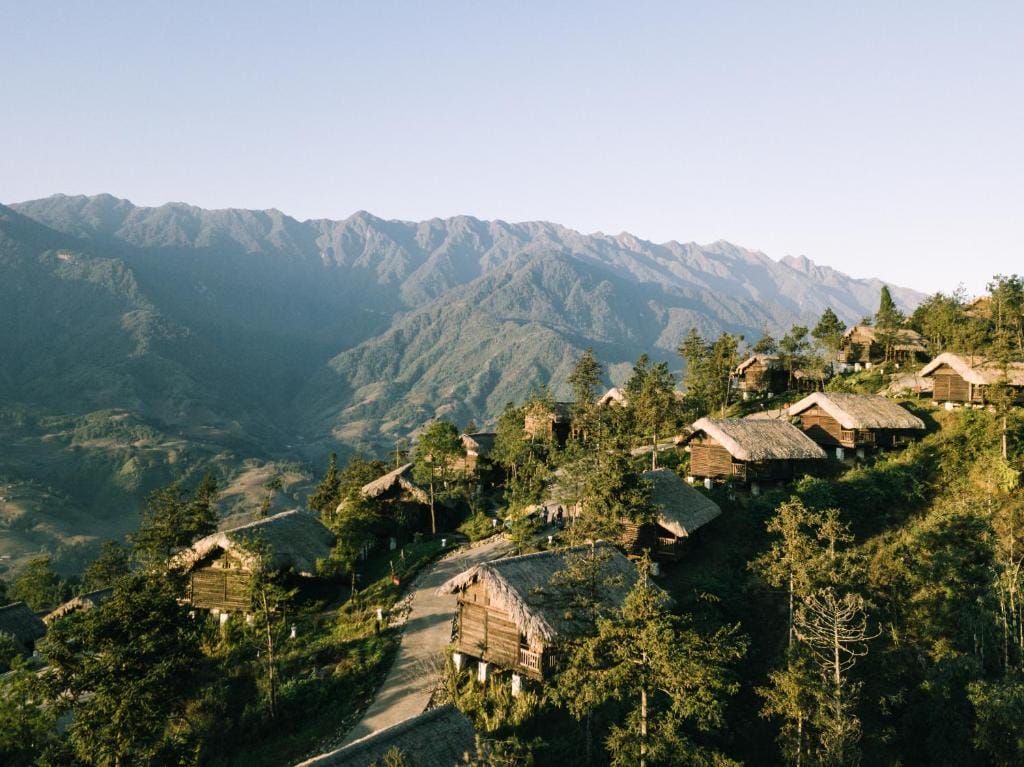
Some nights you may stay in a comfortable hotel with a private ensuite bathroom and excellent bedding. On another night, you might sleep in a family-run guesthouse in a small mountain town. And occasionally, the most memorable night of the journey may be spent in a traditional stilt-house homestay surrounded by rice fields, mountains and village life.
For international riders, understanding these differences before travelling is important.
This guide explains what accommodation in Northern Vietnam is really like, what level of comfort you can realistically expect, and how accommodation varies between major riding destinations including Sapa, Ha Giang, Dong Van, Meo Vac, Cao Bang, Ba Be, Mu Cang Chai, Ta Xua, Moc Chau, Son La, Dien Bien, Lai Chau, Mai Chau and Pu Luong.
1. Overview of Accommodation in Northern Vietnam: What to Expect
Northern Vietnam should never be judged by the accommodation standards of Hanoi, Bangkok, Singapore or other major Asian cities.
Much of the region is mountainous, rural and economically less developed. Roads cross high passes, river valleys, ethnic minority villages and remote districts where tourism infrastructure has only gradually developed.
This is precisely what makes a Northern Vietnam motorcycle journey so rewarding.
Accommodation normally falls into several categories:
- Hotels
- Guesthouses
- Homestays
- Hostels
- Boutique hotels
- Eco-lodges and mountain retreats
- Resorts
- Small family-run lodges
The important thing to understand is that the best accommodation does not always mean the most luxurious accommodation.
On a motorbike tour, location, cleanliness, hot water, comfortable bedding, secure motorcycle parking, friendly hosts and a good evening meal can often matter far more than a swimming pool or impressive reception lobby.
A simple family-run lodge surrounded by rice terraces may become one of your favourite stays of the entire journey.
1.1. Hotels in Northern Vietnam
Hotels generally offer the highest and most predictable level of comfort.
In developed destinations such as Sapa, Ha Giang City, Son La City and Dien Bien Phu, travellers can find anything from simple local hotels to comfortable three- and four-star properties.
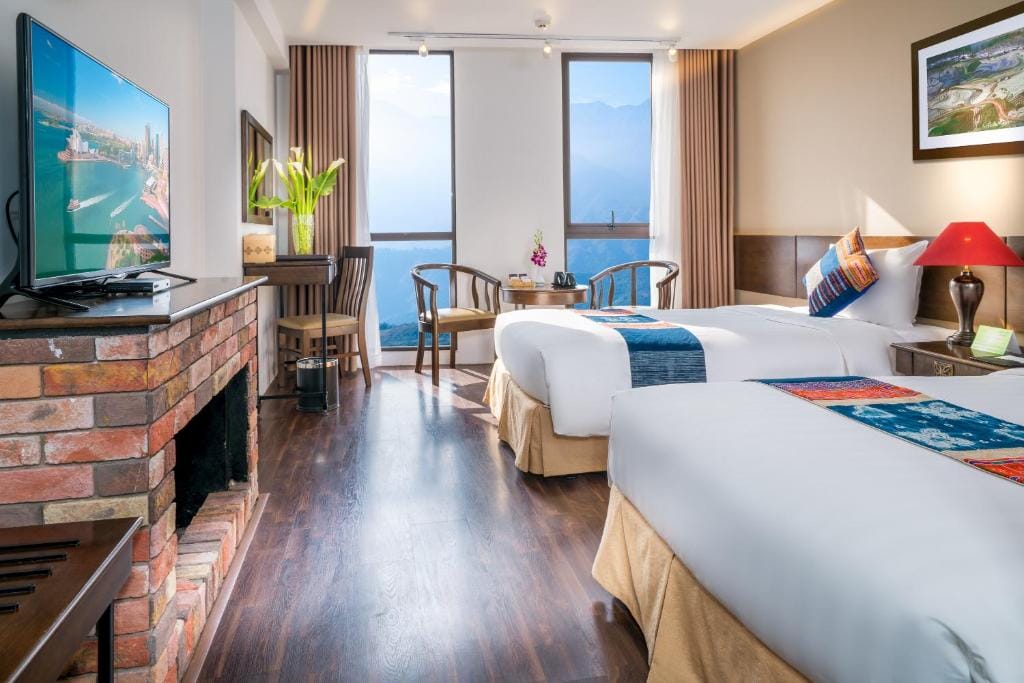
Hotel rooms generally provide:
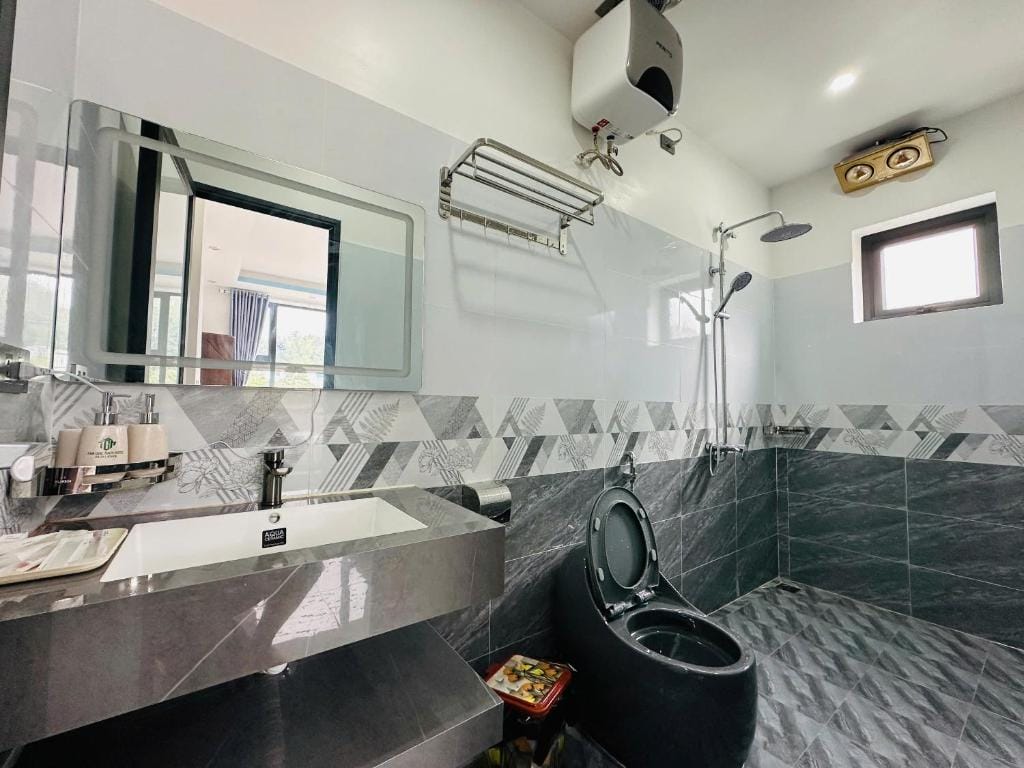
👉 Private bathrooms, proper beds, towels, air-conditioning or heating in some properties, Wi-Fi, television and basic toiletries.
👉 For motorcycle riders, hotels are particularly valuable after several demanding riding days.
👉 After spending six or seven hours crossing mountain roads, dealing with changing weather conditions or riding challenging terrain, having a comfortable shower and a quiet private room can make a significant difference.
👉 However, international travellers should still keep expectations realistic.
Mountain hotels are not city hotels
A three-star hotel in Ha Giang or Son La should not automatically be compared with a three-star property in Hanoi.
👉 Service can be less polished.
👉 Breakfast may primarily consist of Vietnamese food.
👉 English-speaking staff may be limited.
👉 Mattresses may be firmer than Western travellers are accustomed to.
👉 Soundproofing can occasionally be poor.
👉 During cold and humid winter periods, rooms in high-altitude destinations such as Sapa, Dong Van or Meo Vac may also feel colder or damper than expected.
These are normally minor inconveniences rather than serious problems.
For organised motorcycle tours, an experienced operator should select properties based not only on official hotel classification but also on real operational experience, cleanliness, rider feedback, secure motorcycle storage and reliability.
1.2. Guesthouses
Guesthouses are one of the most important forms of accommodation on a Northern Vietnam motorbike tour.
In smaller towns, they are often the most practical accommodation available.
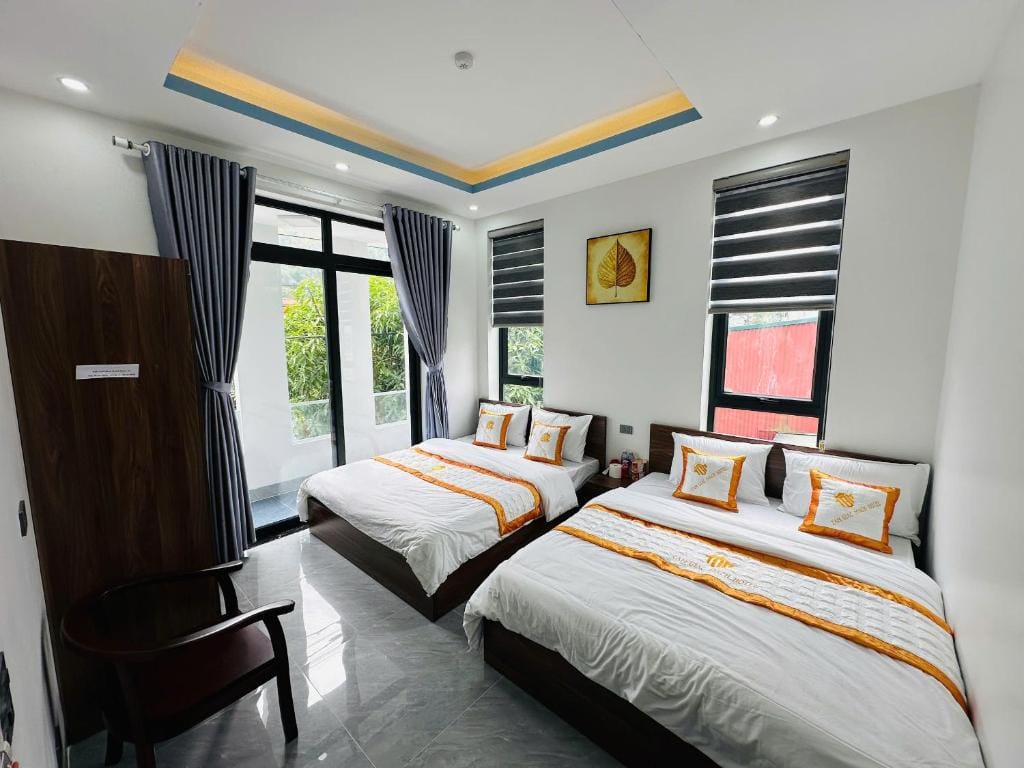
A typical Vietnamese guesthouse may offer:
- Private twin or double rooms
- Ensuite bathroom
- Hot shower
- Air-conditioning or fan
- Wi-Fi
- Basic toiletries
- Motorcycle parking
The rooms may not be stylish, but they are usually functional.
For riders travelling through places such as Yen Minh, Bao Lac, Bac Yen, Than Uyen or smaller Northwest towns, a good guesthouse can provide exactly what is needed after a long riding day.
What should riders realistically expect?
👉 Furniture may be simple.
👉 Beds may be firm.
👉 Bathroom fittings may be basic.
👉 English may not be widely spoken.
👉 Water pressure can vary.
👉 There may be no lift.
👉 Breakfast may be unavailable or extremely simple.
👉 But this is part of travelling through rural Vietnam.
One operational advantage of small guesthouses is flexibility. Owners are often accustomed to motorcycle travellers and may help arrange secure parking, washing, basic laundry or somewhere to hang wet riding equipment.
For an experienced motorbike tour operator, these practical details are often more important than the number of stars displayed outside the property.
1.3. Homestays – More Than Just Somewhere to Sleep
For many riders, a homestay becomes one of the strongest memories of Northern Vietnam.
A genuine homestay brings travellers closer to the communities through which they have been riding all day.
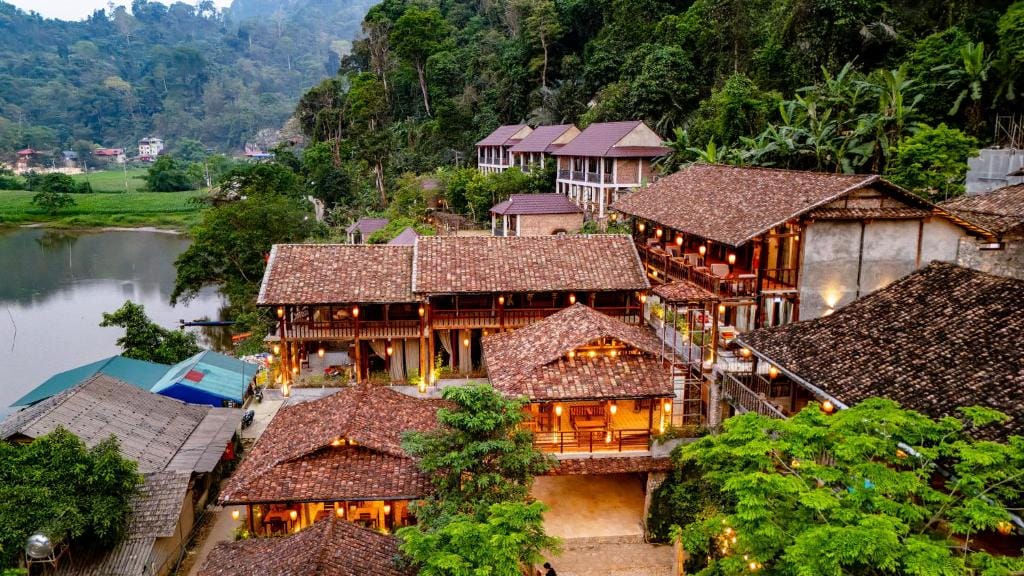
Instead of arriving at an anonymous hotel, you may find yourself sitting around a family dinner table inside a traditional wooden stilt house, sharing local dishes while mountains disappear into darkness outside.
Homestays are particularly common around:
Mai Chau, Pu Luong, Ba Be, Mu Cang Chai, Ha Giang, Hoang Su Phi, Du Gia, Sapa and other ethnic minority regions.
Official Vietnam Tourism guidance similarly highlights homestays as an important part of travelling through destinations such as Ba Be, Pu Luong, Mai Chau and Ha Giang.
Traditional homestay vs modern homestay
This distinction is important.
The word “homestay” in Vietnam can describe very different accommodation styles.
A traditional community homestay might consist of a large wooden stilt house where guests sleep in an open communal area on mattresses with mosquito nets. Bathrooms may be shared.
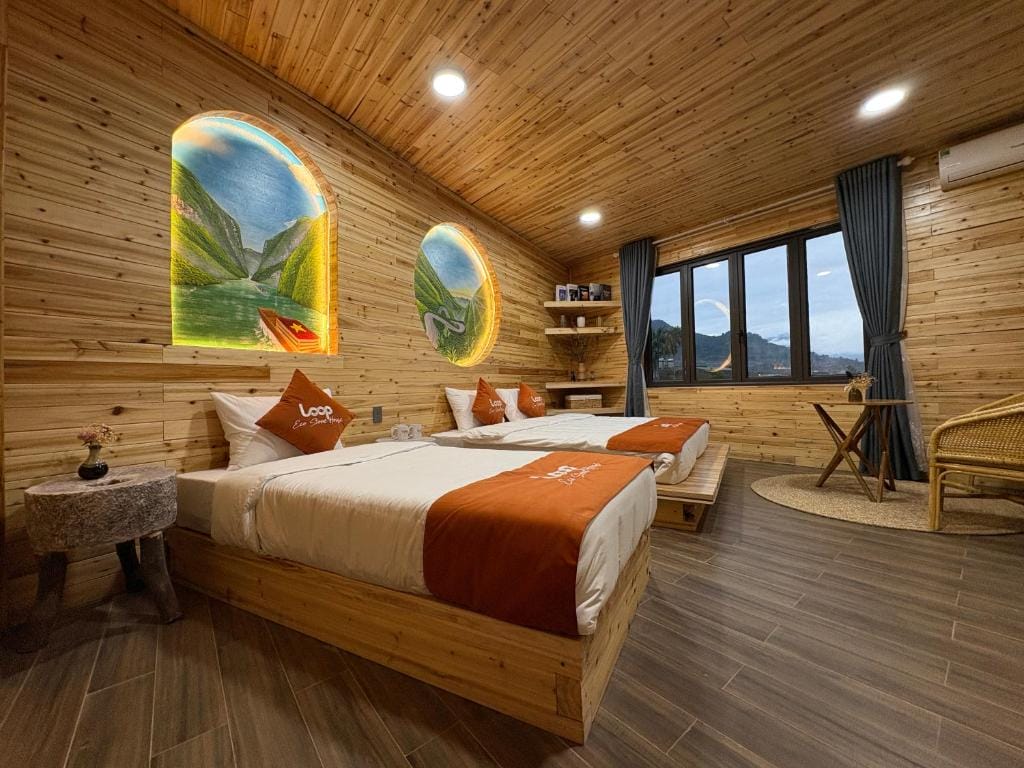
A modern tourism-oriented homestay may instead provide:
👉 Private rooms
👉 Ensuite bathrooms
👉 Proper beds
👉 Air-conditioning
👉 Hot showers
👉 Wi-Fi
👉 Mountain or rice-field views
Some modern homestays are closer to small boutique lodges than traditional family homes.
Before booking, travellers should therefore understand exactly what type of homestay is included.
The beauty — and reality — of village life
A homestay should never be viewed simply as a cheaper hotel.
It is an opportunity to experience another rhythm of life.
That may include hearing roosters early in the morning, dogs barking somewhere in the village, families preparing breakfast, children leaving for school or farmers starting work before sunrise.
👉 Sound insulation may be minimal.
👉 Heating might not exist.
👉 Bathrooms might be shared.
👉 Wi-Fi may occasionally disappear.
But travellers who approach the experience with an open mind often remember the warmth of their hosts long after they forget the details of the room.
1.4. Hostels
Hostels can be found particularly in backpacker destinations such as Sapa, Ha Giang City and along the Ha Giang Loop.
They often provide dormitory accommodation alongside private rooms.
Hostels are suitable for younger independent travellers who enjoy a social atmosphere, but they are not always ideal for organised multi-day motorcycle tours.
After a long riding day, most riders appreciate:
Privacy, a proper bed, good sleep, an ensuite bathroom and enough space to organise riding equipment.
For this reason, private rooms in good guesthouses, hotels or selected homestays are normally preferable for professionally organised motorcycle tours.
1.5. Resorts and Mountain Retreats
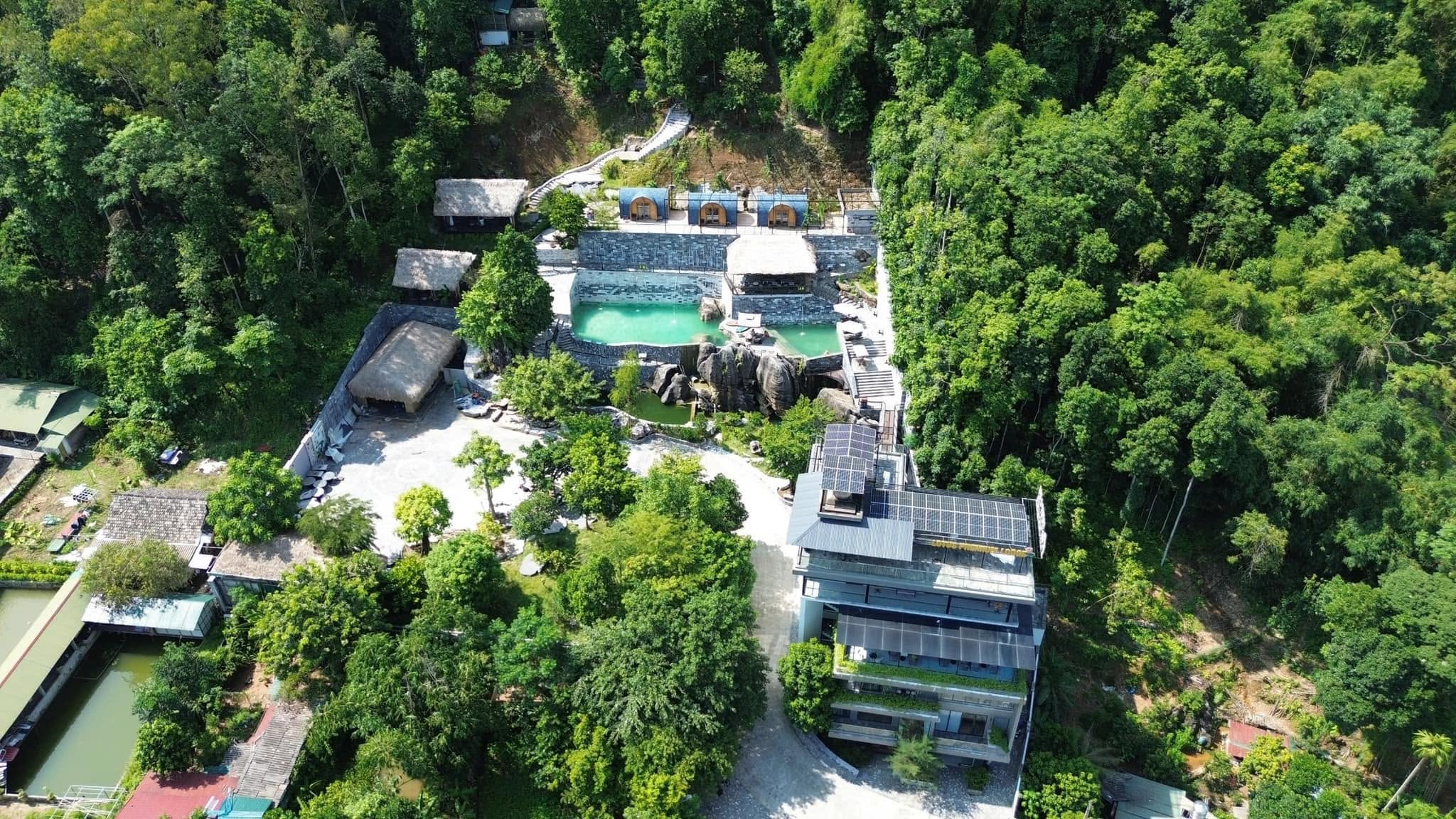
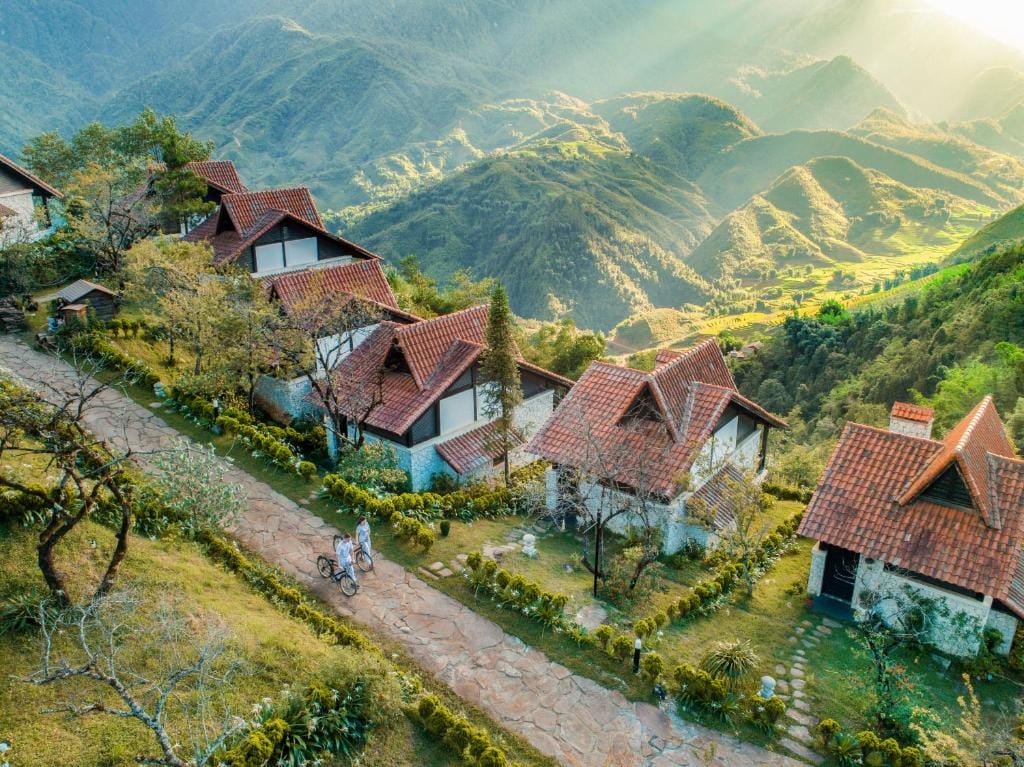
Northern Vietnam also has an increasing number of mountain retreats and resort-style properties.
These are particularly common around:
👉 Sapa
👉 Mai Chau
👉 Moc Chau
👉 Pu Luong
👉 Tam Dao
They may offer swimming pools, spas, restaurants, landscaped gardens and panoramic mountain views.
Such properties can be excellent for rest days or premium motorcycle itineraries.
However, location matters.
A beautiful mountain resort located far from the planned riding route may require unnecessary detours or reduce riding time.
For motorcycle touring, accommodation should support the journey rather than dictate it.
1.6. Boutique Hotels
Boutique accommodation has developed significantly in more popular northern destinations.
Sapa, Ha Giang, Moc Chau and several other tourist centres now offer smaller properties combining contemporary comfort with local architecture or ethnic-inspired design.
These hotels can be an excellent compromise between:
comfort + character + local atmosphere.
For riders aged 40–70 who appreciate authentic travel but still value good bedding, privacy and ensuite facilities, boutique properties can be particularly suitable.
1.7. Eco-Lodges
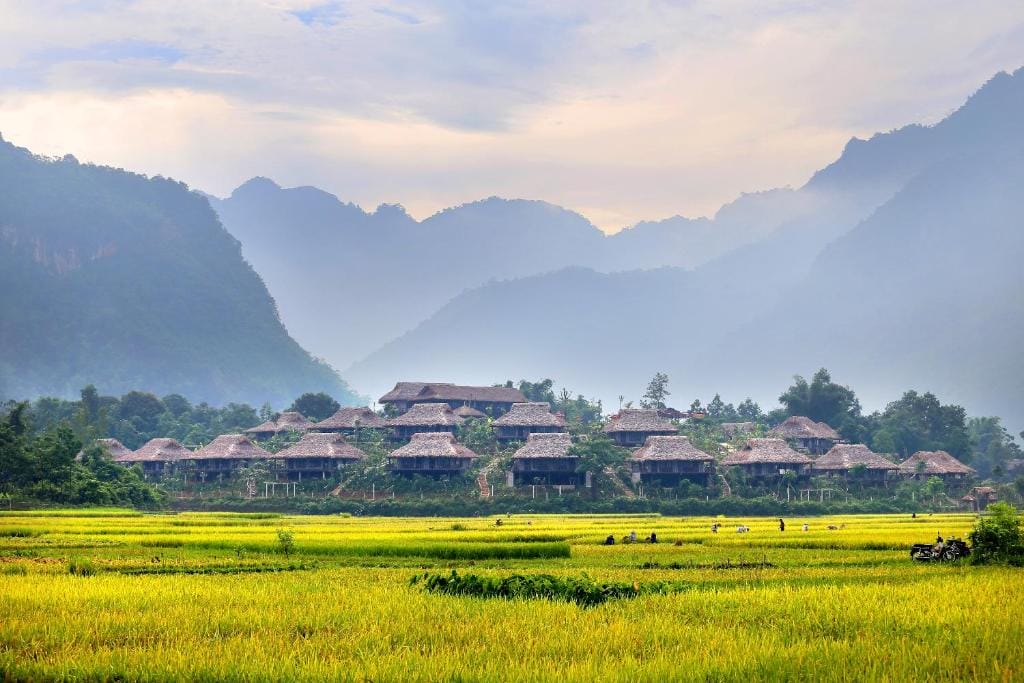
Eco-lodges are increasingly important in Northern Vietnam, especially in environmentally sensitive mountain areas.
Pu Luong, Mai Chau, Sapa, Hoang Su Phi and other rural destinations now offer properties designed around nature, local architecture and sustainable tourism.
Some lodges occupy spectacular locations overlooking rice terraces or valleys.
But riders should remember that “eco” sometimes also means remote.
Access roads may be narrow, steep or slippery after rain.
This can be exciting for experienced riders but requires careful route planning for mixed-ability groups.
1.8. Airbnb and Vacation Rentals
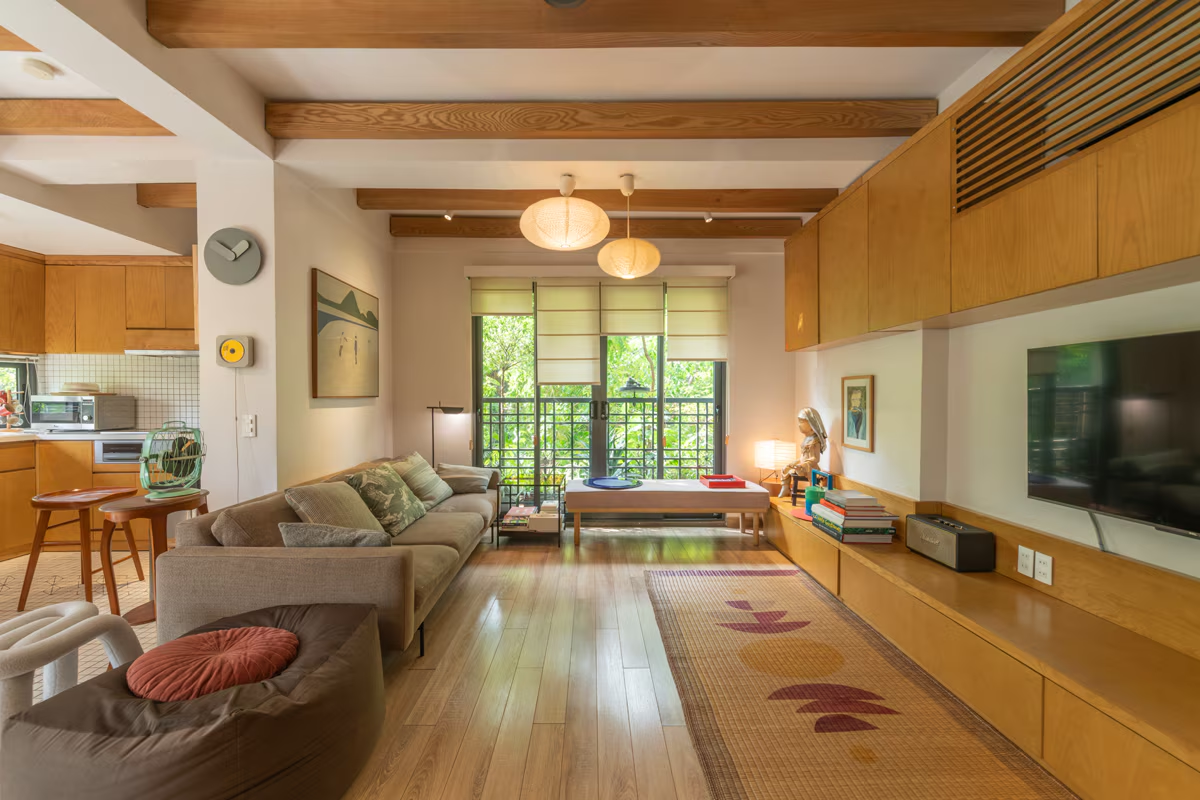
Airbnb-style accommodation is more useful in cities and established tourist destinations than on remote motorcycle routes.
For independent travellers staying several nights in Hanoi or Sapa, apartment-style accommodation may be useful.
However, when crossing remote mountain regions every day, locally operated hotels, guesthouses and homestays are generally more practical.
They normally provide easier check-in, motorcycle parking and greater flexibility when weather or road conditions require itinerary changes.
2. Overall Perspective of Accommodations in Northern Vietnam
The most important principle is simple:
Accommodation in Northern Vietnam should be considered part of the adventure, not something separate from it.
Riders are travelling through one of Vietnam’s most geographically and culturally diverse regions.
International tourism infrastructure is strong in some destinations and still developing in others.
A motorcycle journey may therefore include several different standards of accommodation within the same tour.
One night may involve a comfortable four-star hotel.
The next could be a simple mountain guesthouse.
Another may be a family homestay surrounded by rice terraces.
Rather than reducing the quality of the experience, this contrast is often precisely what gives the journey character.
What Matters Most on a Motorbike Tour?
After years of operating motorcycle journeys through Vietnam, we have learned that riders rarely judge accommodation purely by hotel classification.
What matters most after a long day’s riding is usually:
A clean room and comfortable bed
+ Adventure does not mean unnecessary discomfort.
+ A rider who has spent a full day concentrating on mountain roads needs proper rest.
Reliable hot water
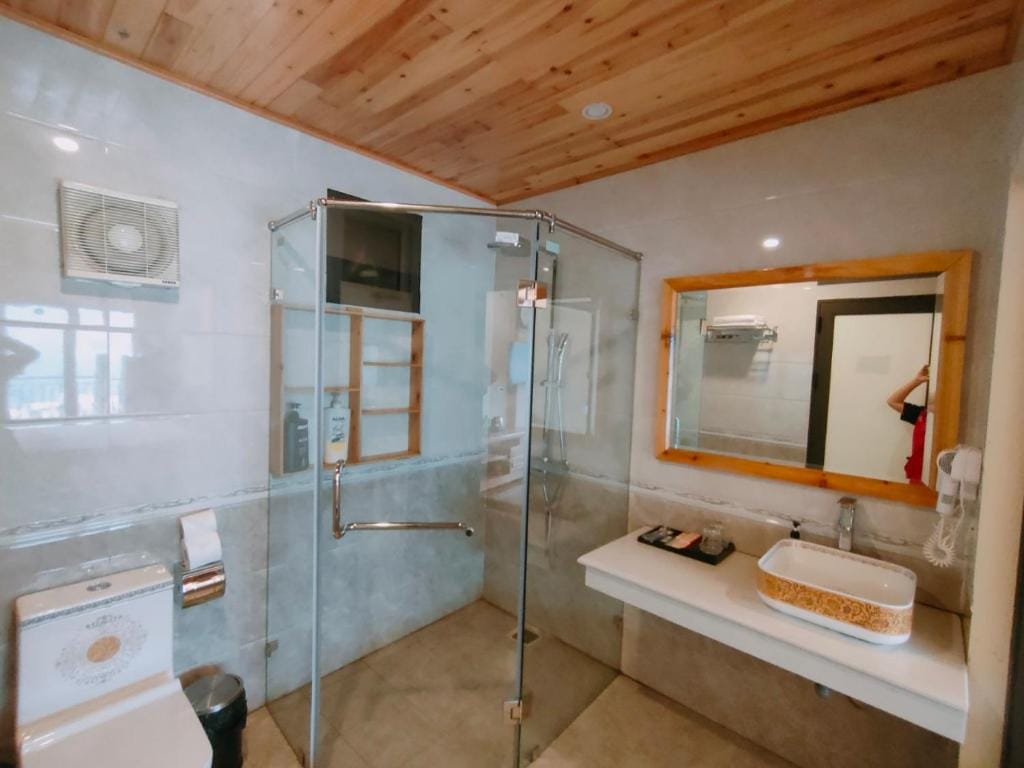
+ This becomes especially important after wet, muddy or cold riding conditions.
Secure motorcycle parking
A property that looks beautiful online may still be unsuitable for a motorcycle group if motorcycles cannot be parked safely overnight.
Space for riding gear
Wet jackets, helmets, boots and protective equipment need somewhere practical to be stored or dried.
Good food nearby
In remote destinations, restaurants may close early.
A homestay or hotel capable of preparing a warm evening meal can be extremely valuable.
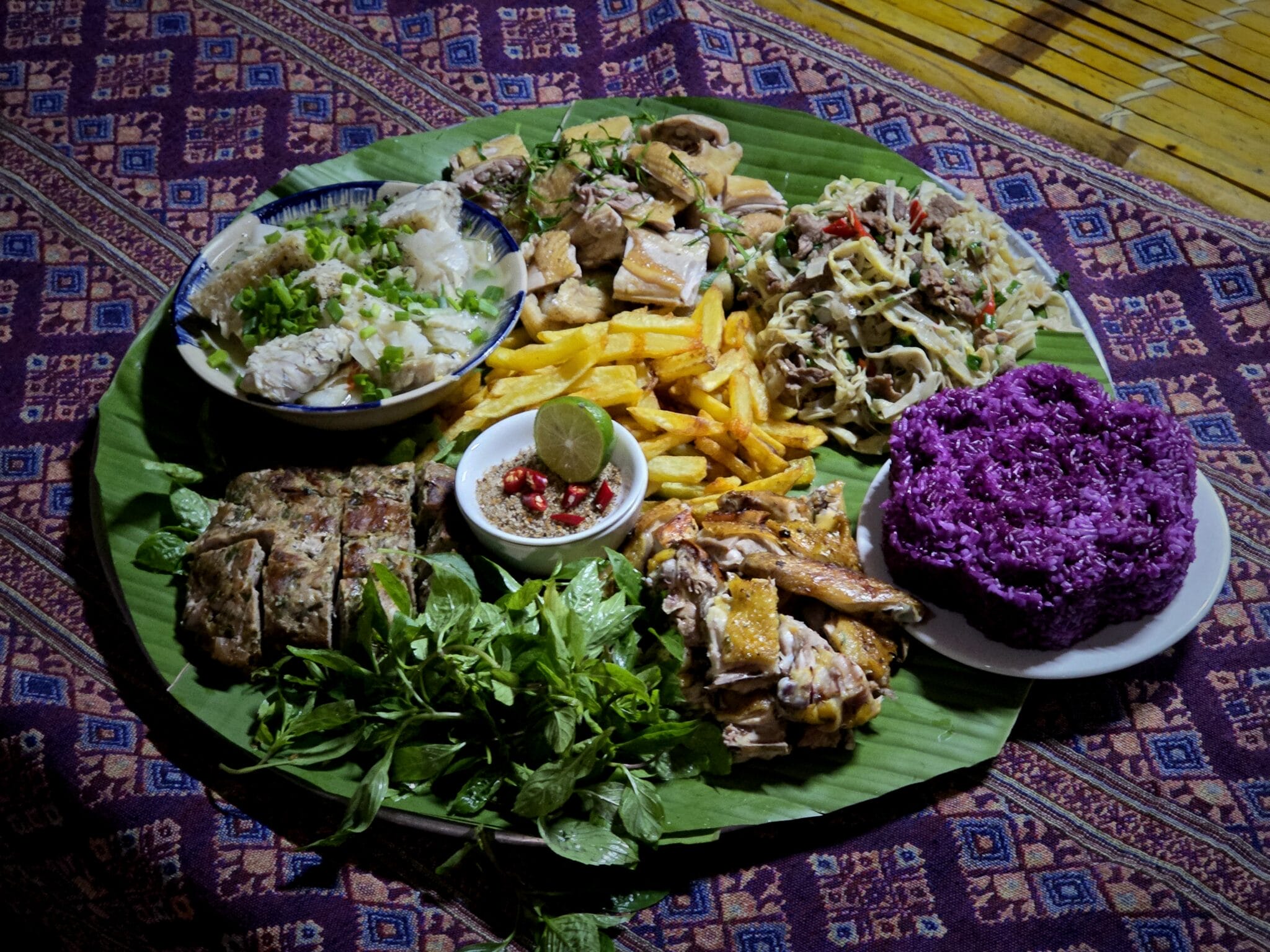
Flexible hosts
Mountain weather is unpredictable.
Roadworks, landslides, heavy rain or technical trail conditions can affect arrival times.
Properties accustomed to motorcycle groups generally understand this better than conventional leisure hotels.
2.1. Where to Stay in Sapa?
Sapa offers the widest accommodation selection of almost any mountain destination in Northern Vietnam.
Travellers can choose from simple guesthouses to boutique hotels, international-standard properties, mountain resorts and village homestays.
2.1.1. Sapa Town Centre
Best for travellers who value convenience.
Restaurants, cafés, shops and markets are within easy walking distance.
It is also practical for riders who need access to motorcycle repair facilities, laundry services or other travel essentials.
The disadvantage is that central Sapa can feel busy, especially during weekends and Vietnamese holidays.
2.1.2. Ham Rong and Central Sapa
This area provides convenient access to town while offering numerous small hotels and guesthouses.
It works well as a one-night stop during longer Northwest motorcycle tours.
2.1.3. Cat Cat Area
Accommodation closer to Cat Cat provides more mountain atmosphere while remaining relatively close to Sapa.
Traffic and crowds around the village can nevertheless become considerable during peak periods.
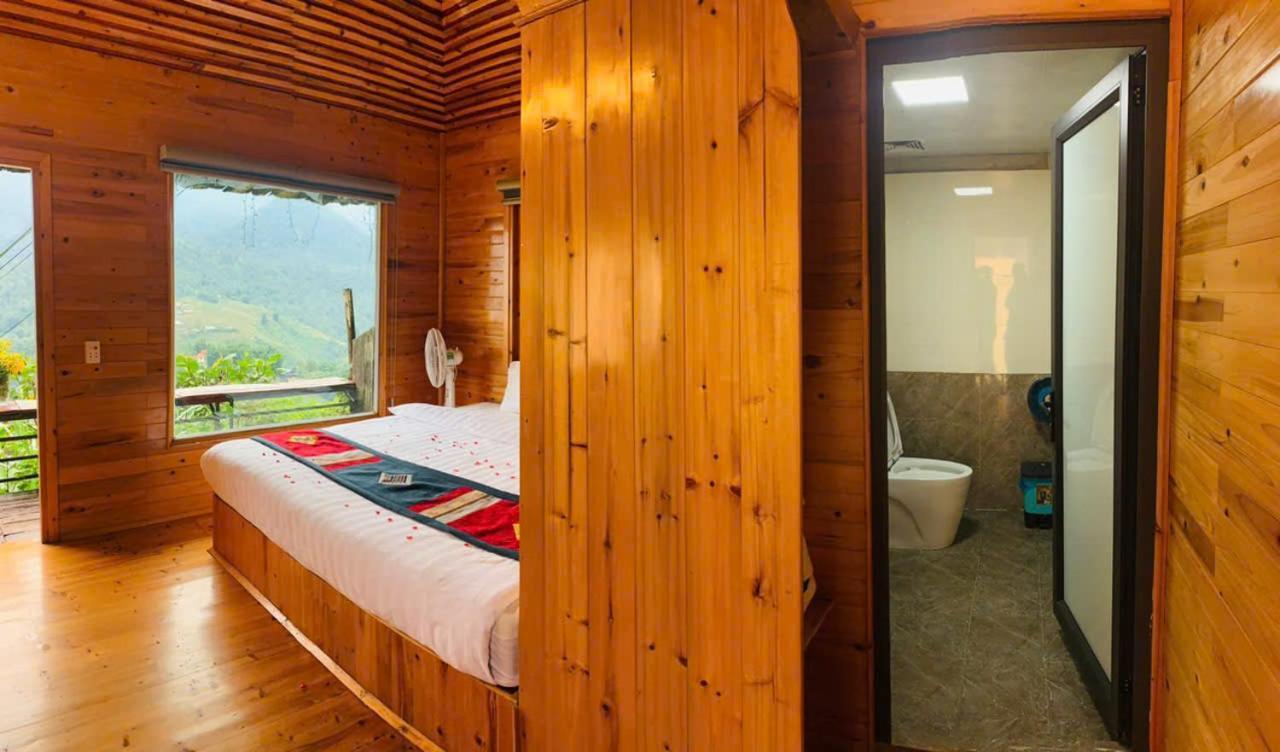
2.1.4. Muong Hoa Valley
For scenery, Muong Hoa Valley is difficult to beat.
Rice terraces cascade down the mountainsides while ethnic minority villages spread through the valley below.
Boutique lodges and mountain retreats here can create an entirely different experience from staying in town.
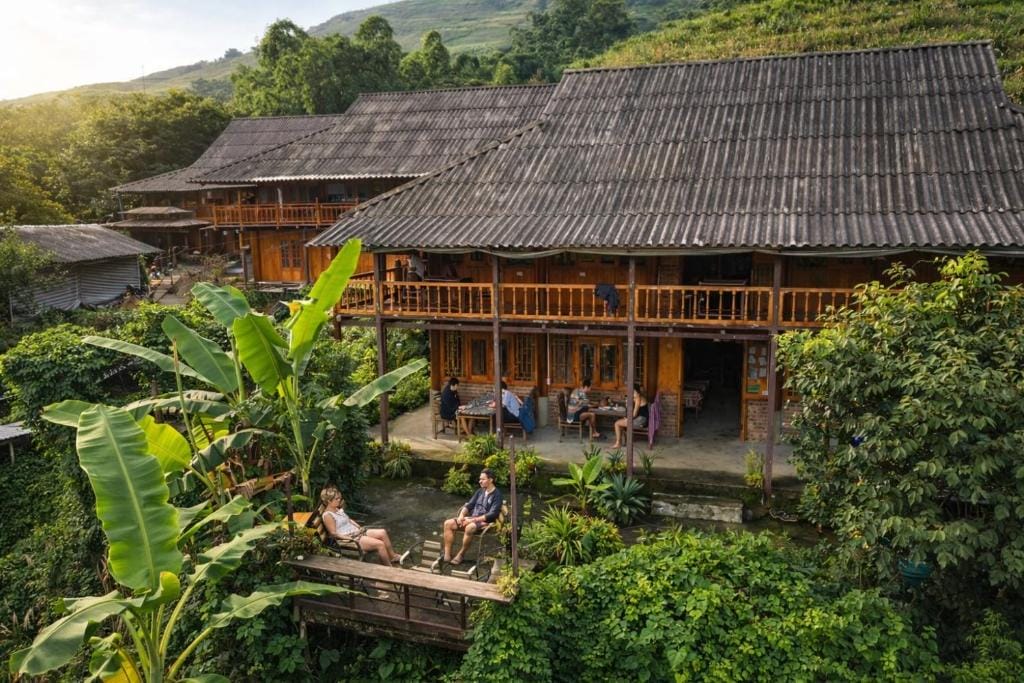
2.1.5. Ta Van Village
Ta Van is particularly suitable for travellers seeking village atmosphere and homestay experiences.
Private-room homestays are increasingly available alongside traditional shared accommodation.
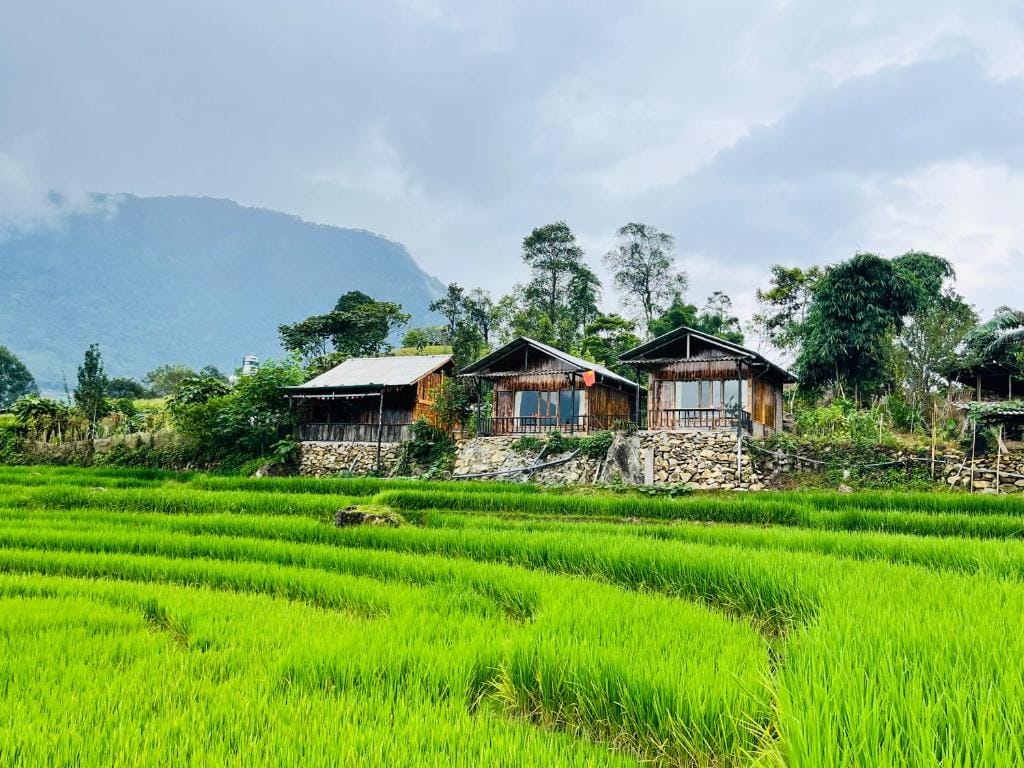
2.1.6. Lao Chai and Ta Phin
These villages provide opportunities for closer contact with Hmong, Giay and Red Dao communities depending on the area.
For riders, village accommodation also provides an excellent transition between paved mountain touring and more exploratory rural routes.
2.2. Where to Stay in Ha Giang?
Ha Giang has developed rapidly as a motorcycle destination.
Vietnam Tourism notes that much of the province’s hotel, motel and homestay capacity is concentrated around Ha Giang City, Dong Van and Meo Vac — the same corridor followed by many Ha Giang Loop journeys.
However, accommodation quality changes significantly as you move deeper into the mountains.
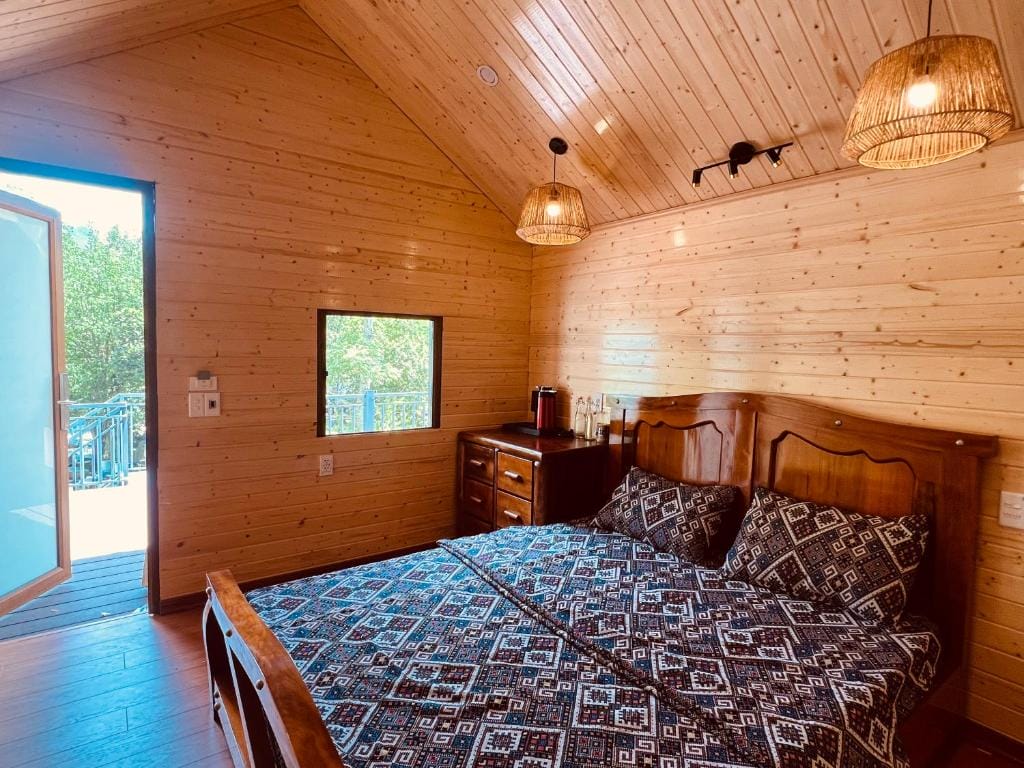
2.2.1. Ha Giang City
Ha Giang City offers the broadest selection before entering the high mountains.
Hotels, guesthouses and homestays are widely available.
For motorbike groups, it is an excellent staging point because fuel, repair facilities, restaurants and motorcycle services are readily accessible.
2.2.2. Yen Minh
Yen Minh provides practical small hotels and guesthouses.
Properties are generally functional rather than luxurious.
For riders, its location makes it useful for dividing long stages through the Dong Van Karst Plateau.
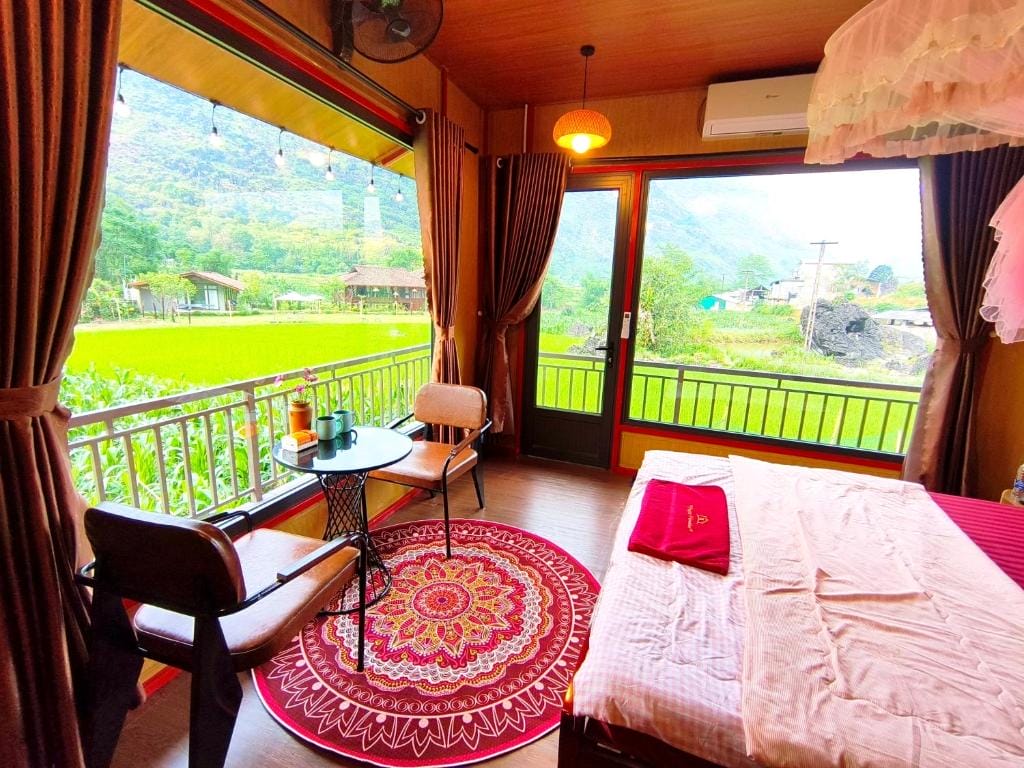
2.2.3. Du Gia
Du Gia provides a completely different experience.
Instead of urban accommodation, riders often stay in family homestays surrounded by mountains, rice fields and Tay villages.
This is one of those places where the accommodation is part of the destination.
2.2.4. Quan Ba
Quan Ba and Tam Son offer modest hotels, guesthouses and increasingly attractive local homestays.
The region works particularly well for riders who prefer quieter accommodation before continuing deeper into the plateau.
2.3. Where to Stay in Dong Van?
Dong Van deserves its own section rather than being treated simply as a subsection of Ha Giang.
For motorcycle travellers, it is one of the most important overnight stops in Northern Vietnam.
Surrounded by the limestone landscapes of the UNESCO-recognised Dong Van Karst Plateau Global Geopark, the town has gradually developed a diverse tourism infrastructure.
2.3.1. Dong Van Old Quarter
Staying near the Old Quarter gives riders easy walking access to cafés, restaurants and the evening atmosphere around the historic marketplace.
Small hotels and guesthouses dominate this area.
Rooms are generally comfortable but relatively simple.
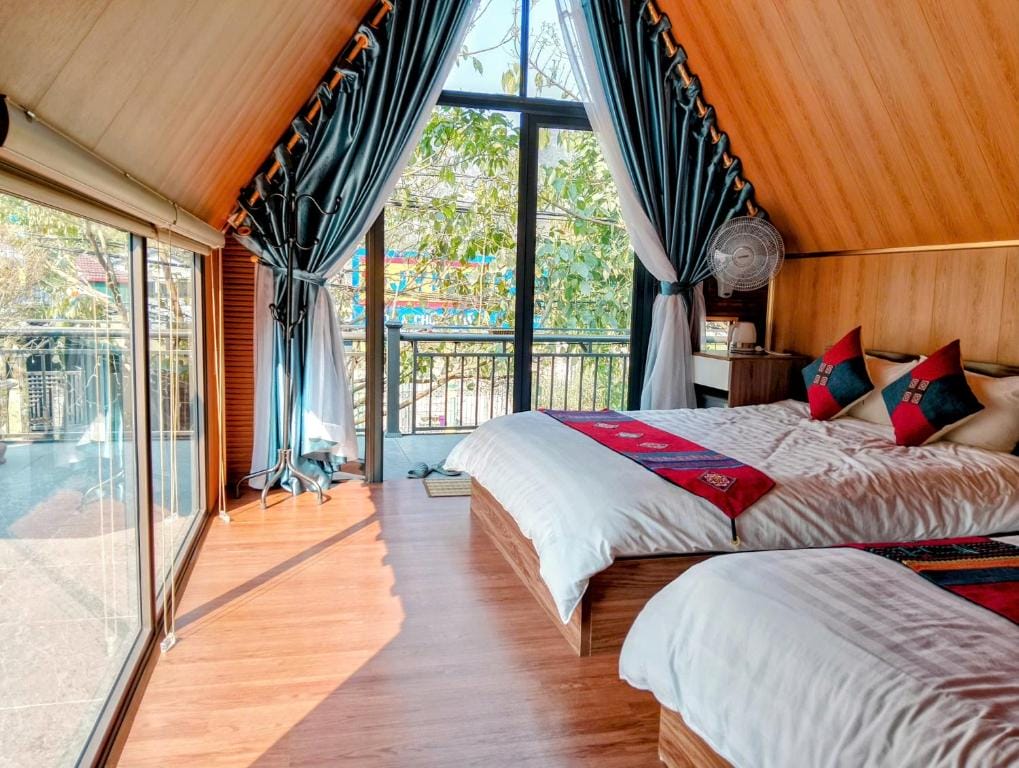
2.3.2. Hotels Around Dong Van Town
Several more comfortable hotels can now be found outside the compact Old Quarter.
These are often better for motorcycle groups because:
Parking is easier.
Rooms may be larger.
Access by motorcycle is simpler.
Noise levels can be lower.
2.3.3. Village Homestays Around Dong Van
For riders seeking deeper cultural immersion, homestays outside town can offer memorable experiences.
Traditional architecture and the surrounding karst scenery create an atmosphere that conventional hotels cannot reproduce.
However, riders visiting between December and February should be prepared for cold nights.
Heating is not universal, even when the accommodation itself is attractive.
2.4. Where to Stay in Meo Vac?
Meo Vac sits beyond one of Vietnam’s most spectacular motorcycle roads: Ma Pi Leng Pass.
For many riders, arriving in Meo Vac feels like reaching the end of an extraordinary day.
Vietnam Tourism highlights Ma Pi Leng and Meo Vac as central elements of the Ha Giang motorcycle experience.
2.4.1. Meo Vac Town
The town provides hotels, guesthouses and small local properties.
Accommodation is generally more functional than luxurious.
For riders, however, the location is excellent.
Restaurants, fuel and basic services are nearby.
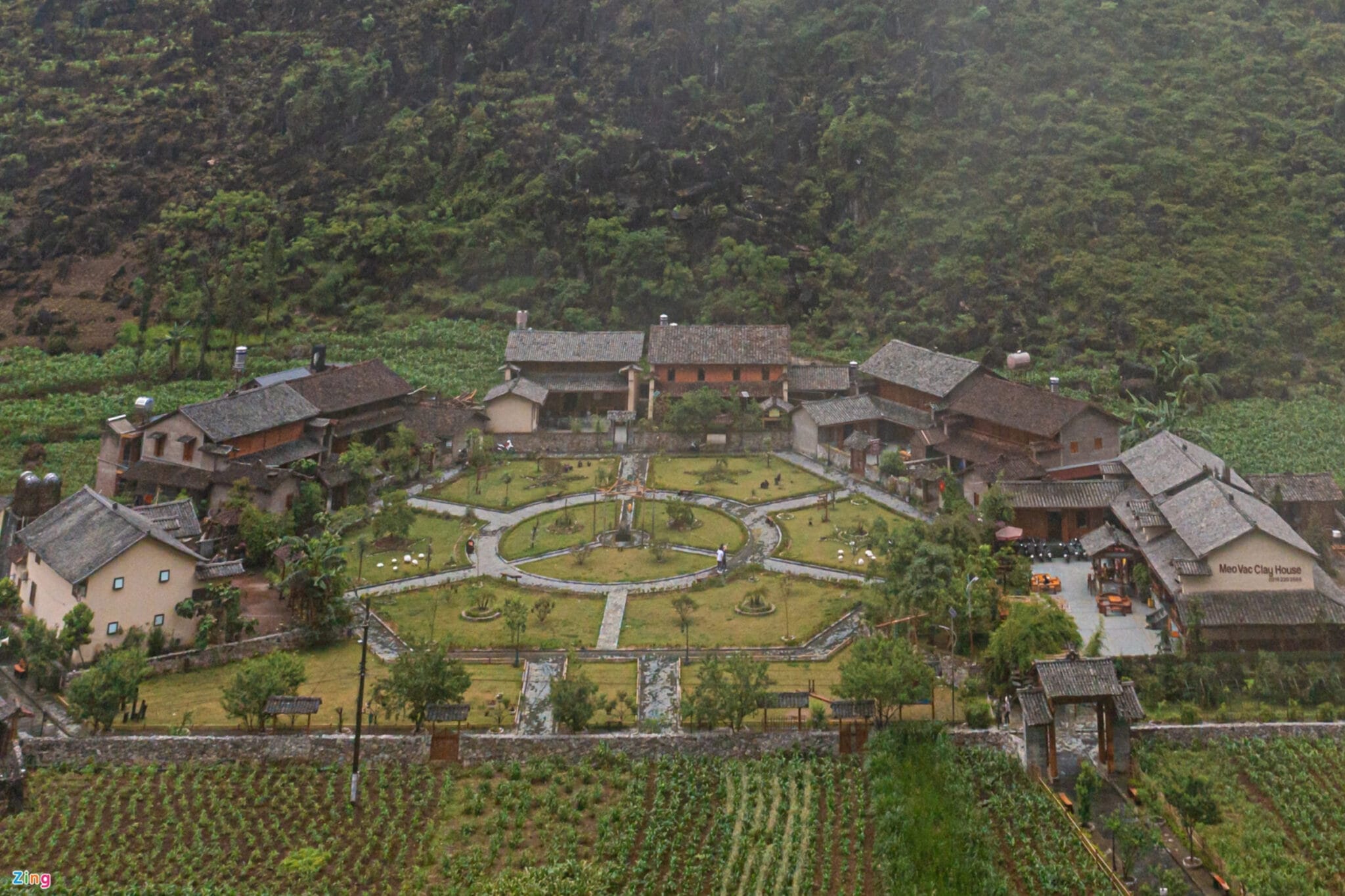
2.4.2. Cultural Village Accommodation
The surrounding region provides opportunities for homestay-style accommodation and small lodges.
These can offer greater atmosphere than town hotels but may provide fewer amenities.
2.4.3. Sunday Market Considerations
Meo Vac becomes especially lively around its well-known Sunday market.
Accommodation can therefore become limited at busy periods.
Advance booking is strongly advisable for larger motorcycle groups.
2.5. Where to Stay in Cao Bang?
Cao Bang combines increasingly comfortable city accommodation with rural homestays in some of the most beautiful landscapes in Northeast Vietnam.
In 2026, Vietnam Tourism highlighted Cao Bang among Vietnam’s recognised welcoming destinations, reflecting the province’s growing tourism and community-based hospitality sector.
2.5.1. Cao Bang City
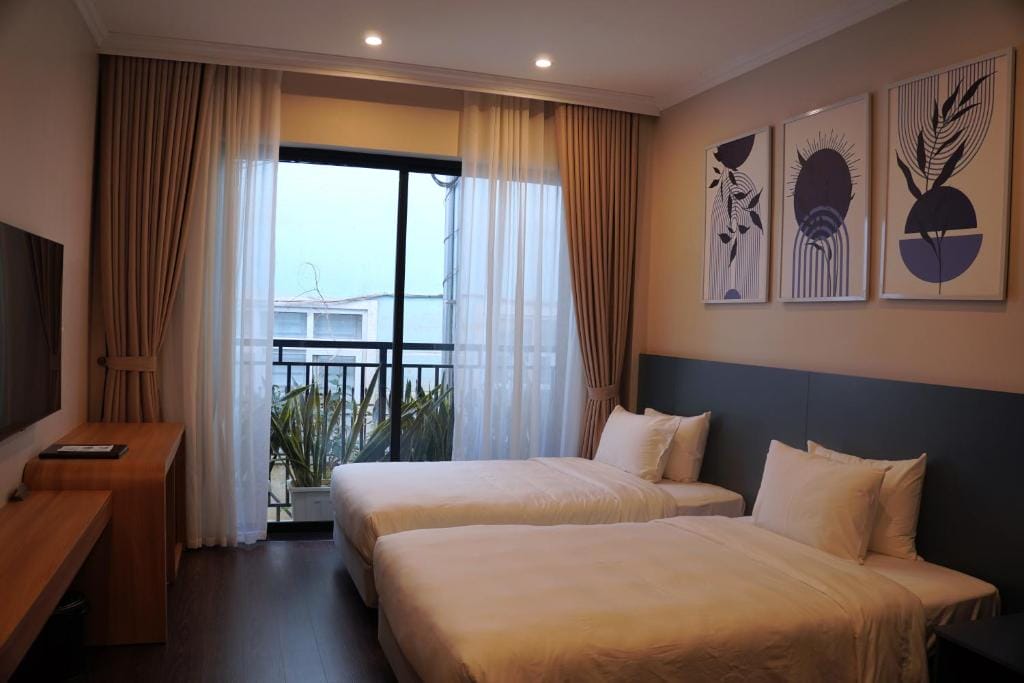
The city offers the largest concentration of hotels.
For motorcycle riders, Cao Bang City is especially useful as a recovery night after several remote riding days.
Laundry, restaurants, cafés, motorcycle maintenance and other practical services are readily available.
2.5.2. Trung Khanh and Ban Gioc Area
Staying closer to Ban Gioc Waterfall creates a much more rural experience.
Accommodation ranges from small guesthouses to village homestays.
The selection is smaller than in Cao Bang City, but waking in the countryside near one of Vietnam’s most beautiful waterfalls can easily justify the simpler comfort.
2.5.3. Phuc Sen and Quang Uyen Area
Community-based accommodation offers a chance to experience Nung culture and traditional craft villages.
For motorbike travellers, this area can also open access to quieter secondary roads that larger tour vehicles rarely use.
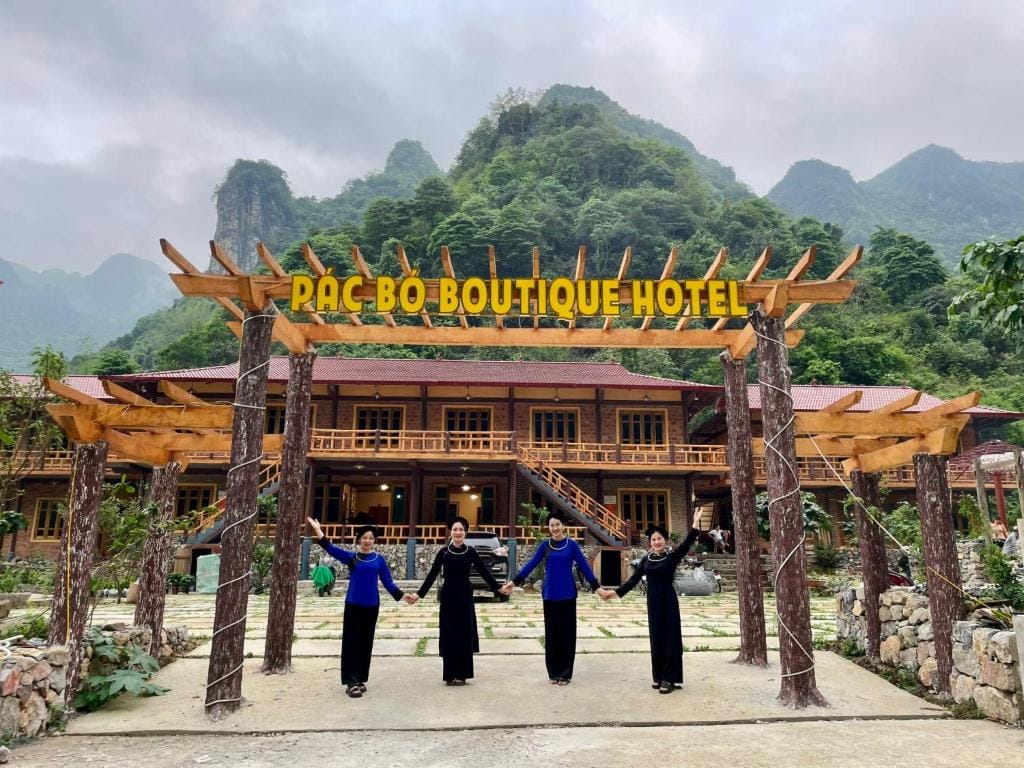
2.5.4. Pac Bo Area
Accommodation is limited compared with Cao Bang City.
For most organised motorcycle tours, Cao Bang City remains the more practical overnight base unless the route specifically requires a rural stay.
2.6. Where to Stay in Ba Be?
Ba Be is one of the destinations where we strongly recommend considering a homestay rather than automatically choosing a hotel.
Ba Be National Park revolves around forests, limestone mountains, rivers and the lake itself.
Vietnam Tourism specifically recommends waterside homestays as a natural way to experience the area.
2.6.1. Pac Ngoi Village
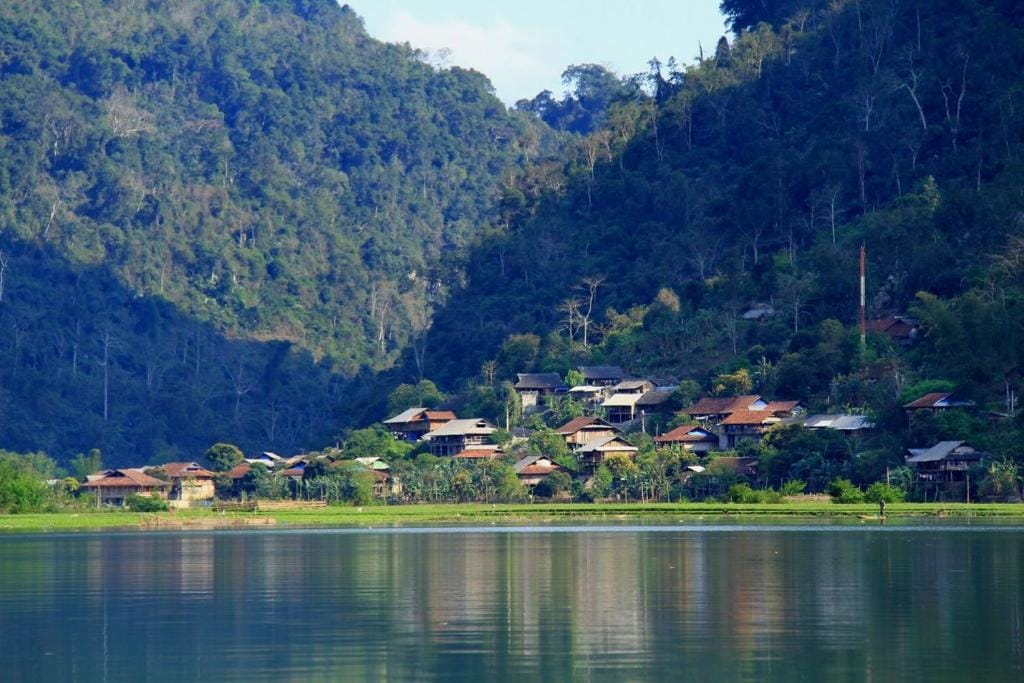
Pac Ngoi is one of the classic homestay areas near Ba Be Lake.
Traditional Tay stilt houses provide atmospheric accommodation close to the water.
Modernised properties increasingly offer private rooms and better bathroom facilities.
2.6.2. Coc Toc and Lakeside Villages
Smaller village accommodation can offer greater tranquillity and beautiful views.
Facilities may be simpler, but the peaceful surroundings compensate.
2.6.3. Cho Ra
Travellers prioritising conventional facilities may prefer guesthouses around Cho Ra.
However, for a motorcycle adventure, staying beside the lake usually provides a more meaningful experience.
Our Rider’s View
After riding into Ba Be through the mountains, there is something special about parking the motorcycles, changing out of riding gear and sitting down for dinner in a wooden Tay house overlooking the countryside.
That memory is difficult for a city hotel to compete with.
2.7. Where to Stay in Mu Cang Chai?
Mu Cang Chai is best known for its dramatic terraced rice fields.
Accommodation consists mainly of:
👉 Guesthouses
👉 Small hotels
👉 Homestays
👉 Mountain lodges
2.7.1. Mu Cang Chai Town
Convenient and practical.
Good for riders arriving late or needing easier access to food, fuel and local services.
2.7.2. Tu Le
Tu Le offers a wider mix of scenic accommodation and convenient guesthouses.
It is particularly popular on routes crossing Khau Pha Pass.
2.7.3. Village Homestays
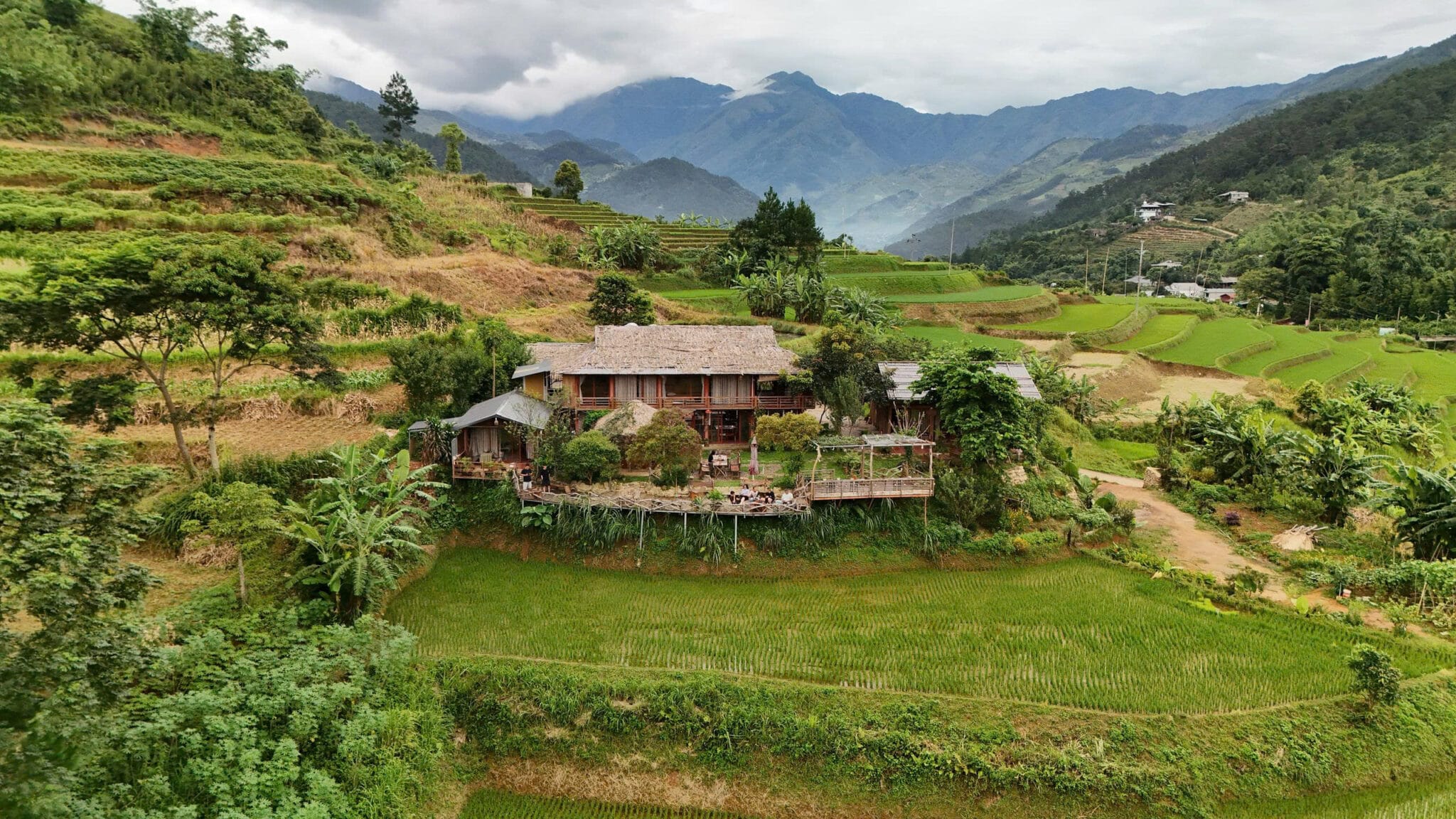
La Pan Tan, Che Cu Nha and surrounding villages offer opportunities for more immersive stays.
During rice season, accommodation overlooking the terraces can be spectacular.
Peak Season Warning
September and early October can be extremely busy because of the golden rice season.
Quality properties often sell out early.
Motorcycle groups should therefore avoid relying on last-minute booking during this period.
2.8. Where to Stay in Ta Xua?
Ta Xua has changed dramatically over recent years.
Once primarily known to local adventure travellers, it has become famous for its high mountain scenery and celebrated “sea of clouds”.
For motorbike riders, however, Ta Xua remains a place where location matters more than luxury.
2.8.1. Ta Xua Village
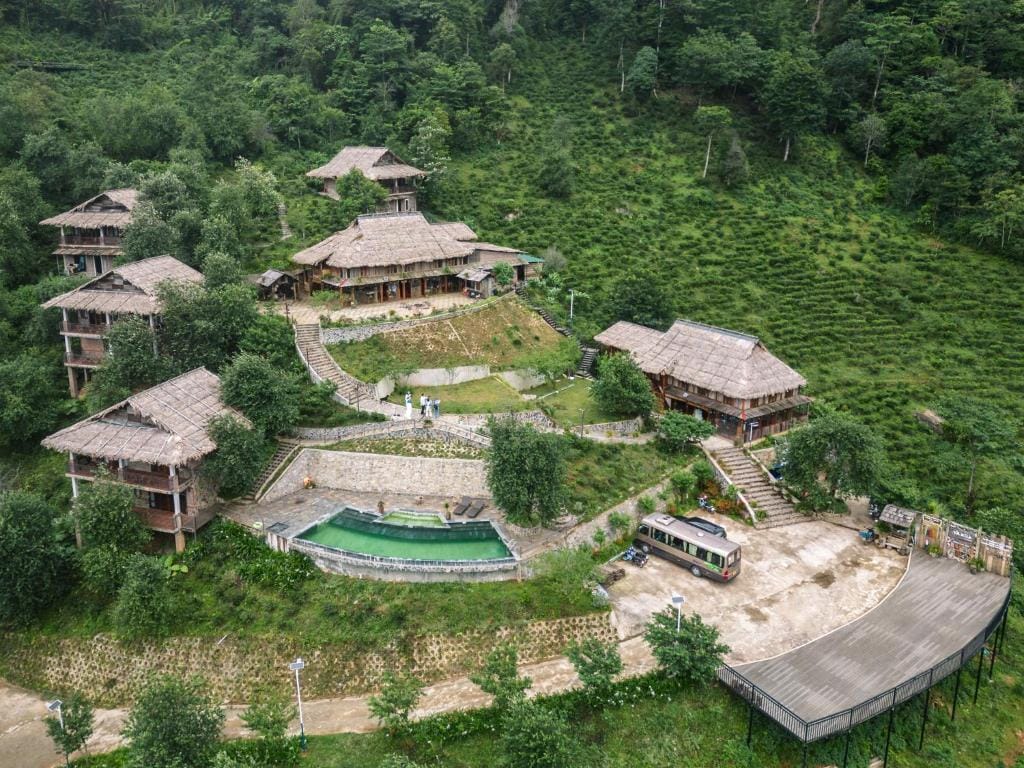
Small hotels, guesthouses and homestays provide straightforward accommodation.
Many properties have spectacular mountain views but relatively basic interiors.
2.8.2. Mountain-view Homestays
These are particularly attractive to riders.
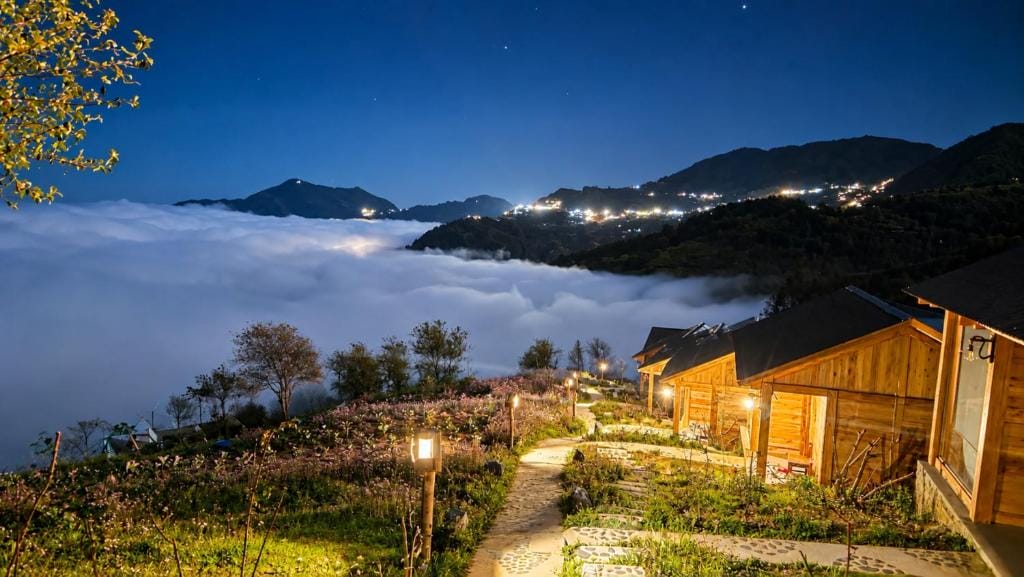
Imagine finishing a demanding mountain stage, parking your motorcycle and waking the following morning with clouds moving through the valleys below.
That experience explains why Ta Xua has become such a popular stop on northern motorcycle itineraries.
2.8.3. What Riders Should Know
Temperatures can fall considerably at night.
Fog is common.
Humidity can make riding equipment difficult to dry.
Properties with covered motorcycle parking and sheltered areas for riding gear are therefore especially valuable.
Luxury should not be the priority here.
Scenery, warmth, cleanliness and practical facilities matter more.
2.9. Where to Stay in Moc Chau?
Moc Chau has one of the more developed accommodation markets in the Northwest.
Its popularity with domestic travellers has created a broad selection of:
👉 Hotels
👉 Boutique properties
👉 Resorts
👉 Farm stays
👉 Homestays
2.9.1. Moc Chau Centre
Best for convenience.
Restaurants, cafés, markets and fuel are easily accessible.
2.9.2. Tea Plantation Areas
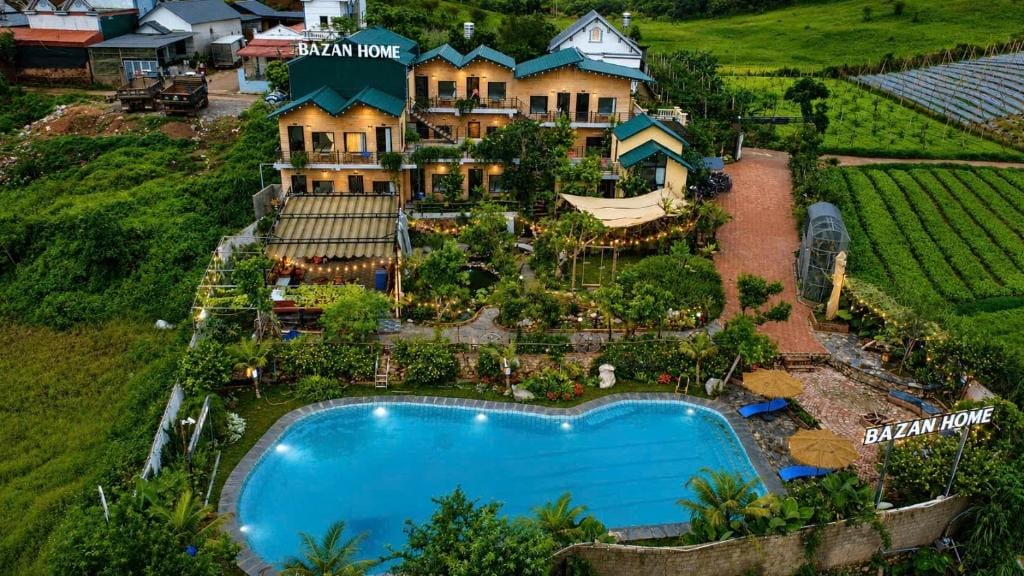
Scenic accommodation surrounded by tea hills provides a more peaceful experience.
2.9.3. Ban Ang
Accommodation near Ban Ang pine forest works well for travellers seeking quieter surroundings.
2.9.4. Rural Homestays
Village accommodation gives riders the opportunity to experience Thai and Hmong communities while escaping the more commercial parts of Moc Chau.
For Riders
Moc Chau can be an excellent opportunity to upgrade the accommodation standard during a long Northwest motorbike tour because more comfortable properties are available than in many surrounding mountain districts.
2.10. Where to Stay in Son La?
Son La is often treated merely as a transit point between Moc Chau, Dien Bien and the Northwest mountains.
For motorcycle travellers, however, it can be a strategically valuable overnight stop.
2.10.1. Son La City
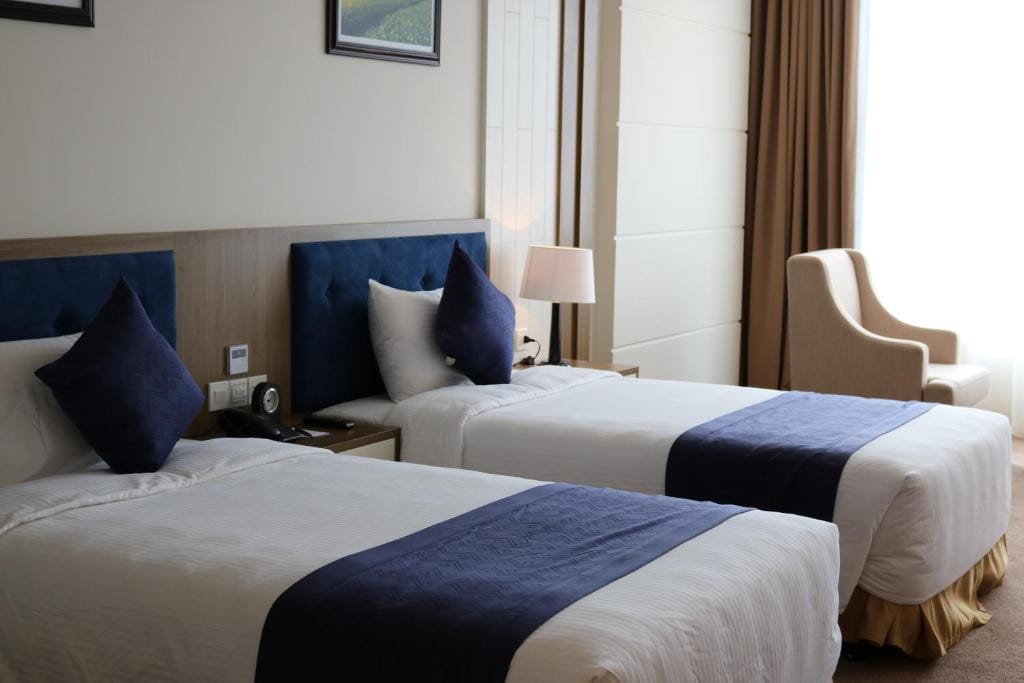
Hotels generally provide a dependable level of comfort.
After several nights in remote villages, riders may appreciate:
A larger room
Private bathroom
Reliable hot shower
Laundry
Restaurants
Better Wi-Fi
2.10.2. Quynh Nhai Area
For more adventurous itineraries, accommodation around Quynh Nhai can create a quieter experience near the reservoir and rural communities.
2.10.3. Bac Yen
Bac Yen is the main gateway towards Ta Xua.
Guesthouses here are basic but practical.
Riders heading into Ta Xua may choose between staying in Bac Yen for convenience or continuing into the mountains for better scenery.
2.11. Where to Stay in Dien Bien?
Dien Bien Phu is one of the larger urban centres in Northwest Vietnam.
As a result, accommodation standards can be noticeably better than in the remote mountain districts encountered before or afterwards.
2.11.1. Dien Bien Phu City
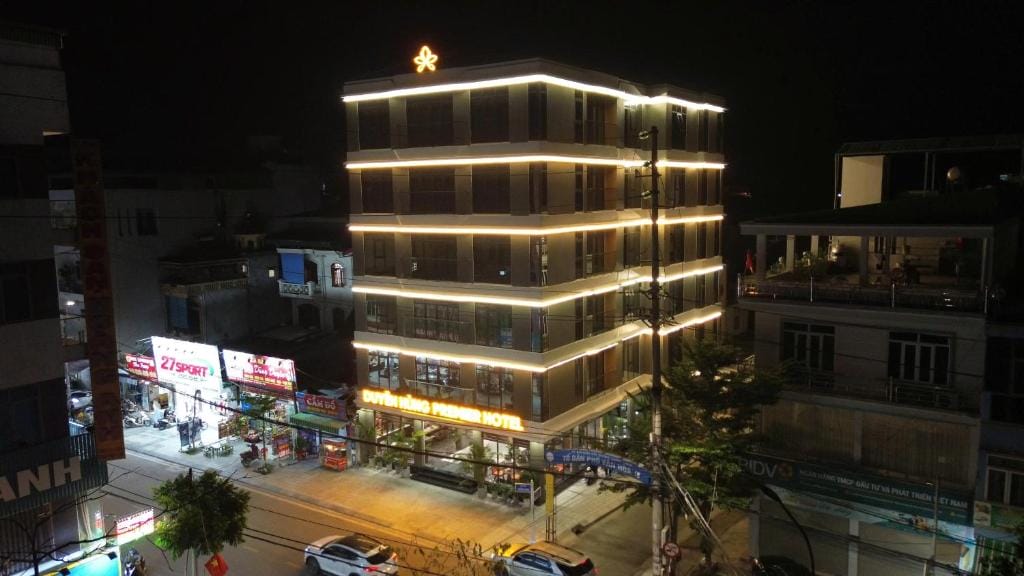
Hotels range from budget properties to comfortable higher-category accommodation.
For riders, this is a valuable place to reset during a long expedition.
You can organise laundry, motorcycle checks and other necessities before continuing towards Lai Chau, Muong Lay or the Laos border.
2.11.2. Historical Centre
Accommodation close to Dien Bien Phu’s major historical sites is convenient for travellers planning to visit the battlefield museum, A1 Hill and other landmarks.
Why We Sometimes Upgrade Here
On demanding multi-day tours, comfort should be strategically planned.
After several nights in simple accommodation, a better hotel in Dien Bien can significantly improve recovery before the next mountain stage.
Good tour design is not about choosing the cheapest room every night.
It is about creating the right rhythm between adventure and recovery.
2.12. Where to Stay in Lai Chau?
Lai Chau Province remains far less developed for international tourism than neighbouring Sapa.
For motorcycle riders, this is part of its attraction.
The roads can be spectacular and traffic relatively light, while ethnic minority villages remain less commercialised.
2.12.1. Lai Chau City
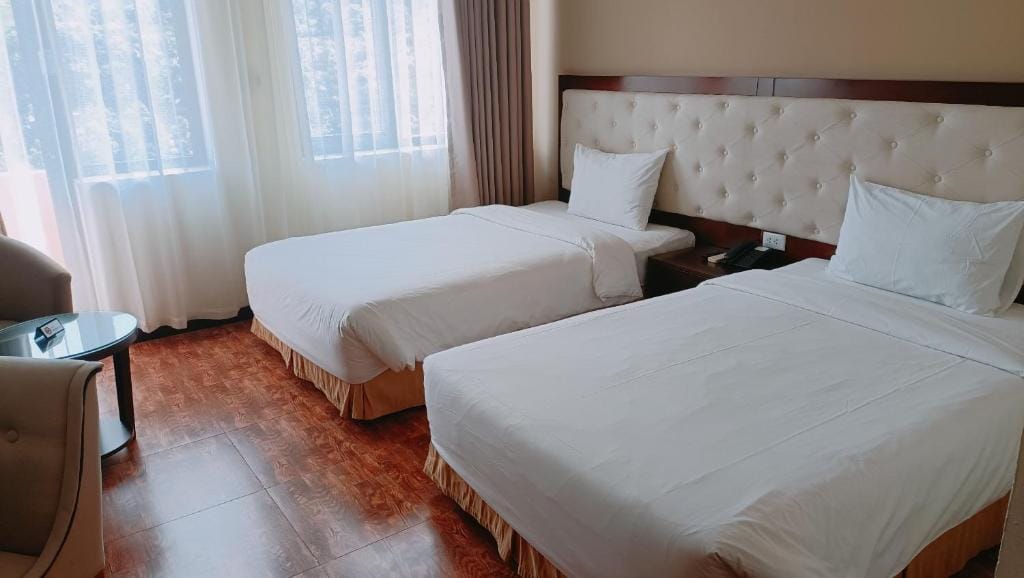
The provincial capital provides the best selection of hotels.
Facilities are generally adequate for a comfortable one-night stop.
2.12.2. Than Uyen
Than Uyen is an important riding junction connecting Sapa, Mu Cang Chai and the wider Northwest.
Guesthouses and simple local hotels dominate.
2.12.3. Sin Ho
Sin Ho provides a much more remote mountain experience.
Accommodation is limited and basic, but the region appeals strongly to riders looking for routes beyond mainstream tourism.
Rider Expectation
In Lai Chau, travellers should prioritise:
👉 Cleanliness
👉 Hot water
👉 Safe parking
👉 Good food
👉 Friendly hosts
Expecting boutique accommodation in every remote district would miss the point of travelling here.
2.13. Where to Stay in Mai Chau?
Mai Chau provides one of Northern Vietnam’s best combinations of cultural accommodation and comfort.
Vietnam Tourism specifically highlights Lac and Pom Coong villages for traditional White Thai stilt-house stays, while the wider valley also offers more sophisticated lodges and hotels.
2.13.1. Lac Village
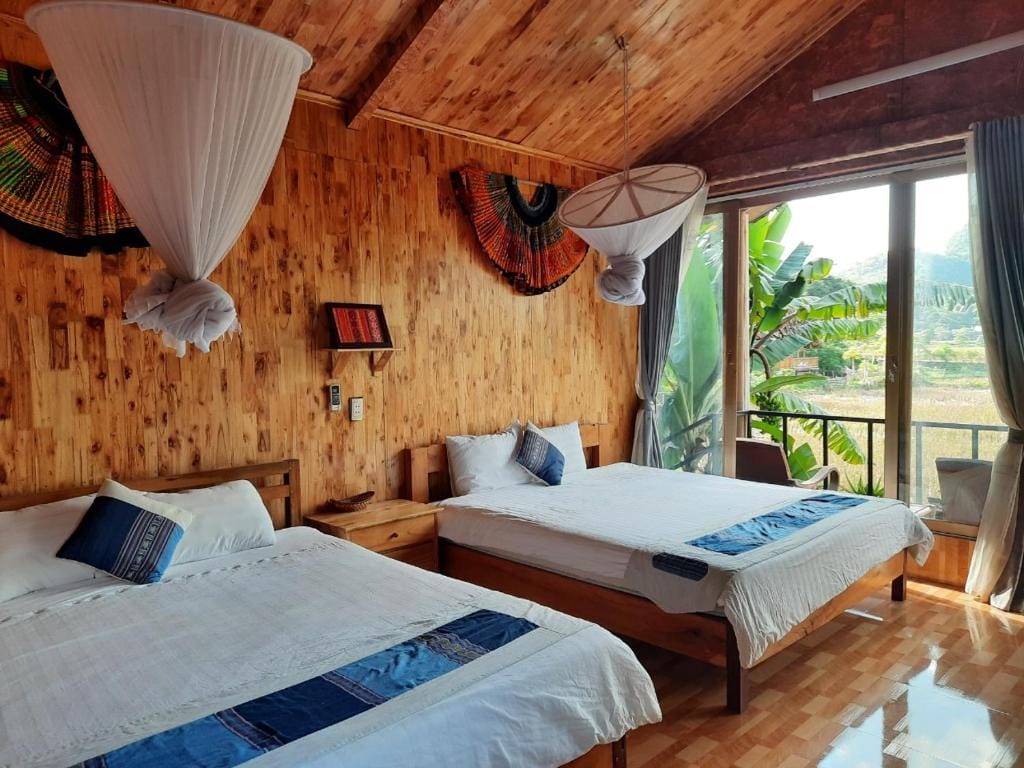
One of Vietnam’s best-known community tourism villages.
Traditional stilt-house accommodation is widely available.
2.13.2. Pom Coong
Similar in atmosphere but often slightly quieter.
2.13.3. Mai Chau Town
Better suited to travellers prioritising convenience and private hotel facilities.
2.13.4. Rice-field Lodges
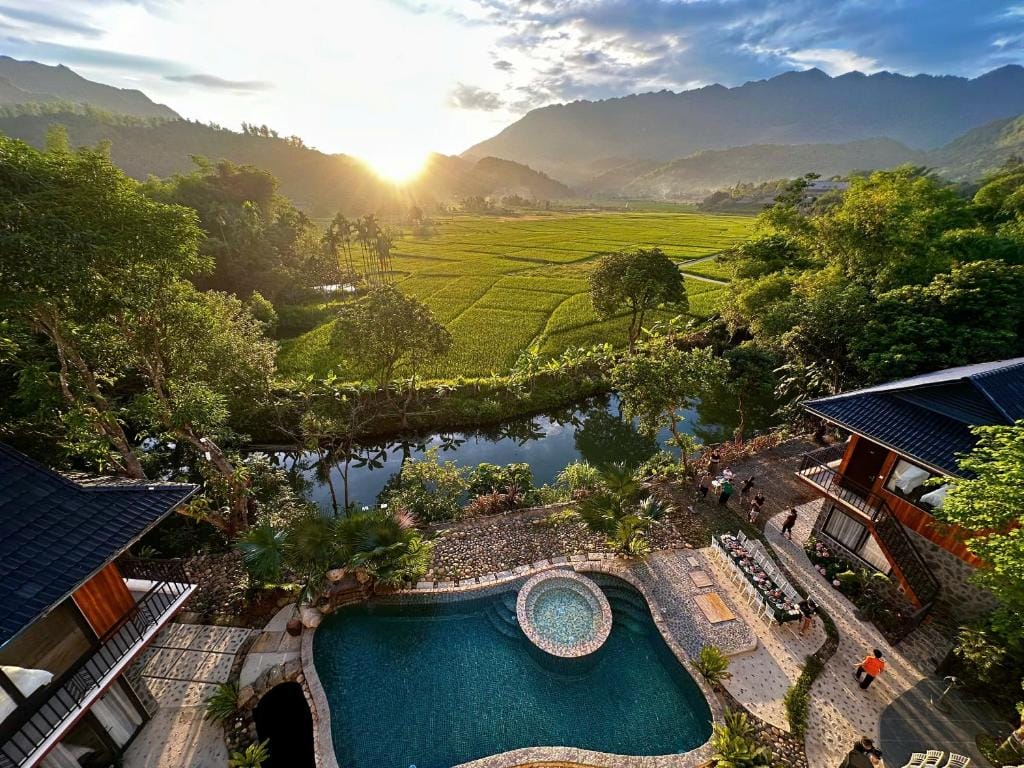
One of our favourite options for international riders.
Small lodges surrounded by paddies provide privacy and comfortable rooms while retaining the peaceful character of the valley.
Why Mai Chau Works So Well on a Motorbike Tour
Mai Chau is often the first or final mountain stop on a Northern Vietnam motorcycle journey.
It allows riders to transition gently between Hanoi and the remote Northwest.
A cold drink beside the rice fields after riding down into Mai Chau Valley is a fitting way either to begin an adventure — or to reflect on one that is almost over.
2.14. Where to Stay in Pu Luong?
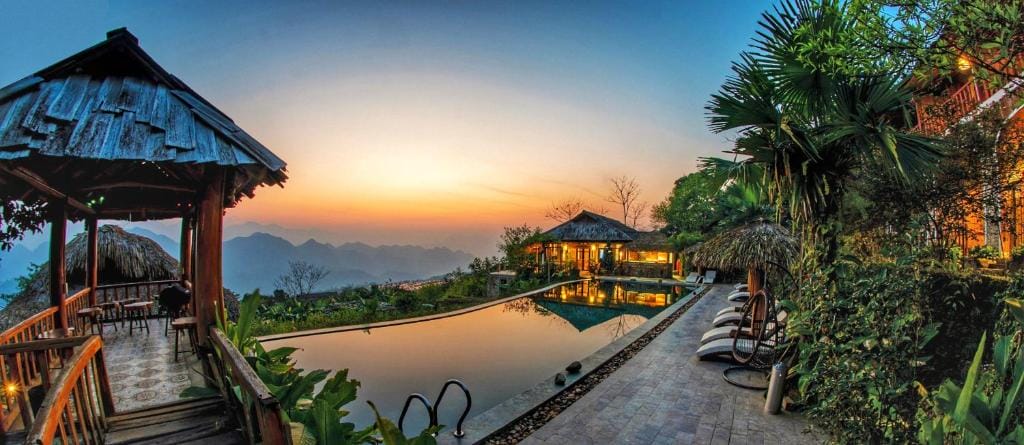
Pu Luong has developed into one of Northern Vietnam’s most attractive eco-tourism destinations.
Homestays remain the backbone of accommodation, although boutique retreats, lodges and more comfortable properties have expanded.
Vietnam Tourism notes that homestays make up the majority of accommodation in the reserve, ranging from mountainside houses to traditional stilt homes among the rice terraces.
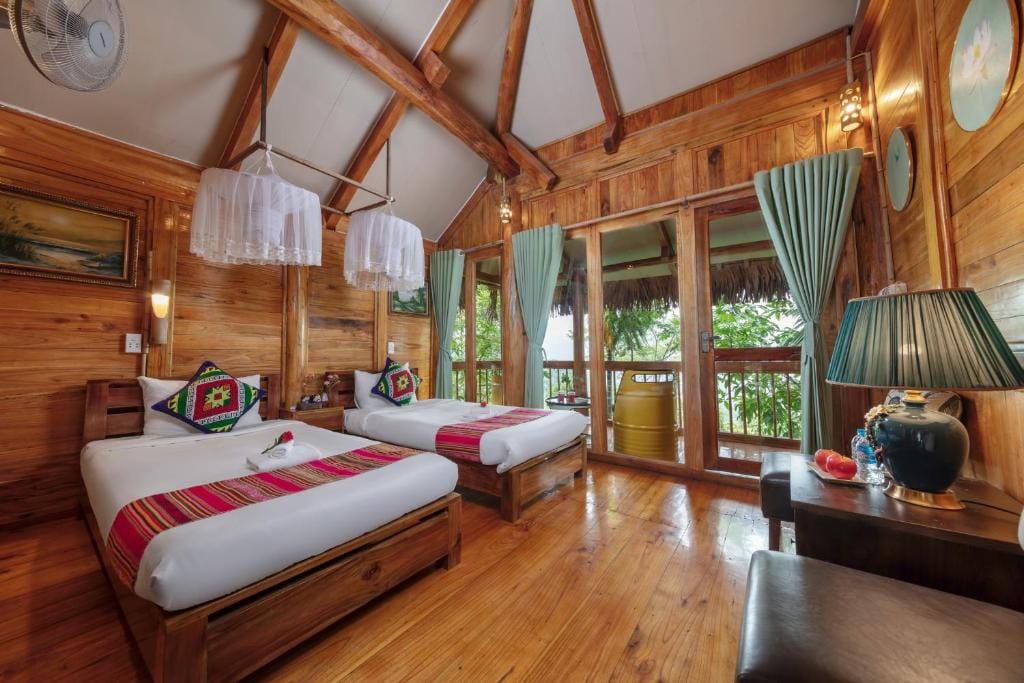
2.14.1. Don Village
This is one of the most popular accommodation areas.
Many lodges offer spectacular views across the rice terraces.
2.14.2. Hieu Village
Excellent for travellers interested in trekking and Hieu Waterfall.
Accommodation tends to be smaller and more rural.
2.14.3. Kho Muong
For riders seeking a more remote atmosphere, Kho Muong can be extremely rewarding.
Access can be more challenging, particularly after heavy rain.
2.14.4. Eco-Lodges
Pu Luong provides some excellent opportunities to combine comfortable accommodation with rural scenery.
For premium motorcycle tours, this can be a strong alternative to basic village homestays.
3. What Motorbike Riders Should Check Before Booking Accommodation
Choosing accommodation for a conventional holiday and choosing accommodation for a motorcycle expedition are two different things.
A beautiful hotel may still be completely unsuitable for riders.
Here are several factors we consider when planning motorcycle tours.
3.1. Secure Motorcycle Parking
Motorcycles should ideally be parked:
Inside the property
Behind a locked gate
In a private courtyard
Or in another secure designated area
Street parking is rarely our first choice for an organised motorcycle group.
3.2. Drying Wet Riding Gear
Northern Vietnam’s weather can change quickly.
Even during traditionally dry periods, mountain rain is always possible.
Wet riding gear needs airflow and shelter.
An accommodation with a covered courtyard or balcony can therefore be surprisingly valuable.
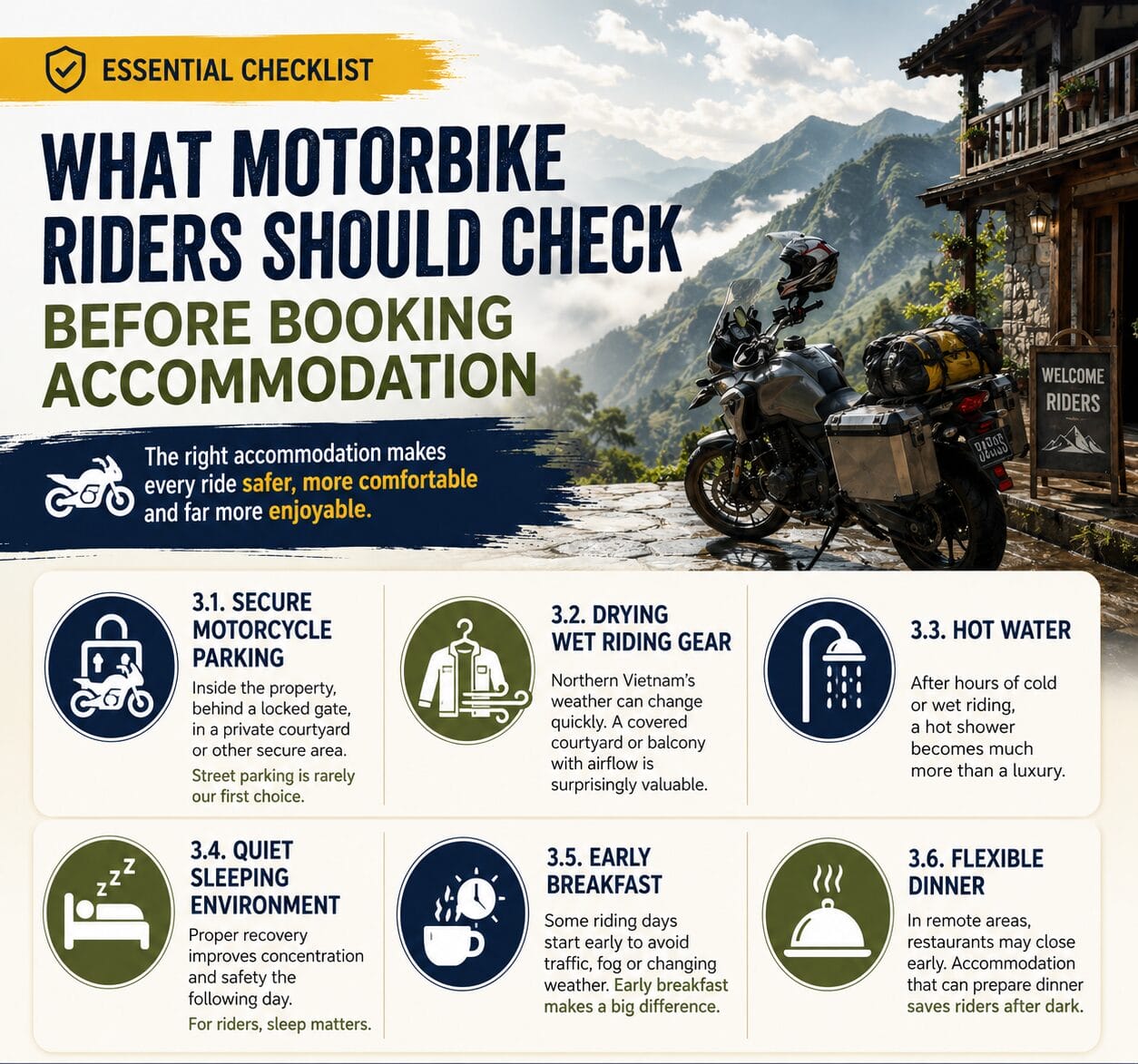
3.3. Hot Water
After several hours of cold or wet riding, a hot shower becomes much more than a luxury.
3.4. Quiet Sleeping Environment
Proper recovery directly affects concentration and safety the following day.
For motorcycle riders, sleep matters.
3.5. Early Breakfast
Some riding days should begin early to avoid traffic, afternoon fog or changing mountain weather.
Accommodation capable of serving breakfast early is therefore preferable.
3.6. Flexible Dinner
Remote mountain restaurants sometimes close earlier than expected.
Family-run accommodation capable of preparing dinner can save riders from searching for food after dark.
4. Accommodation During Different Seasons
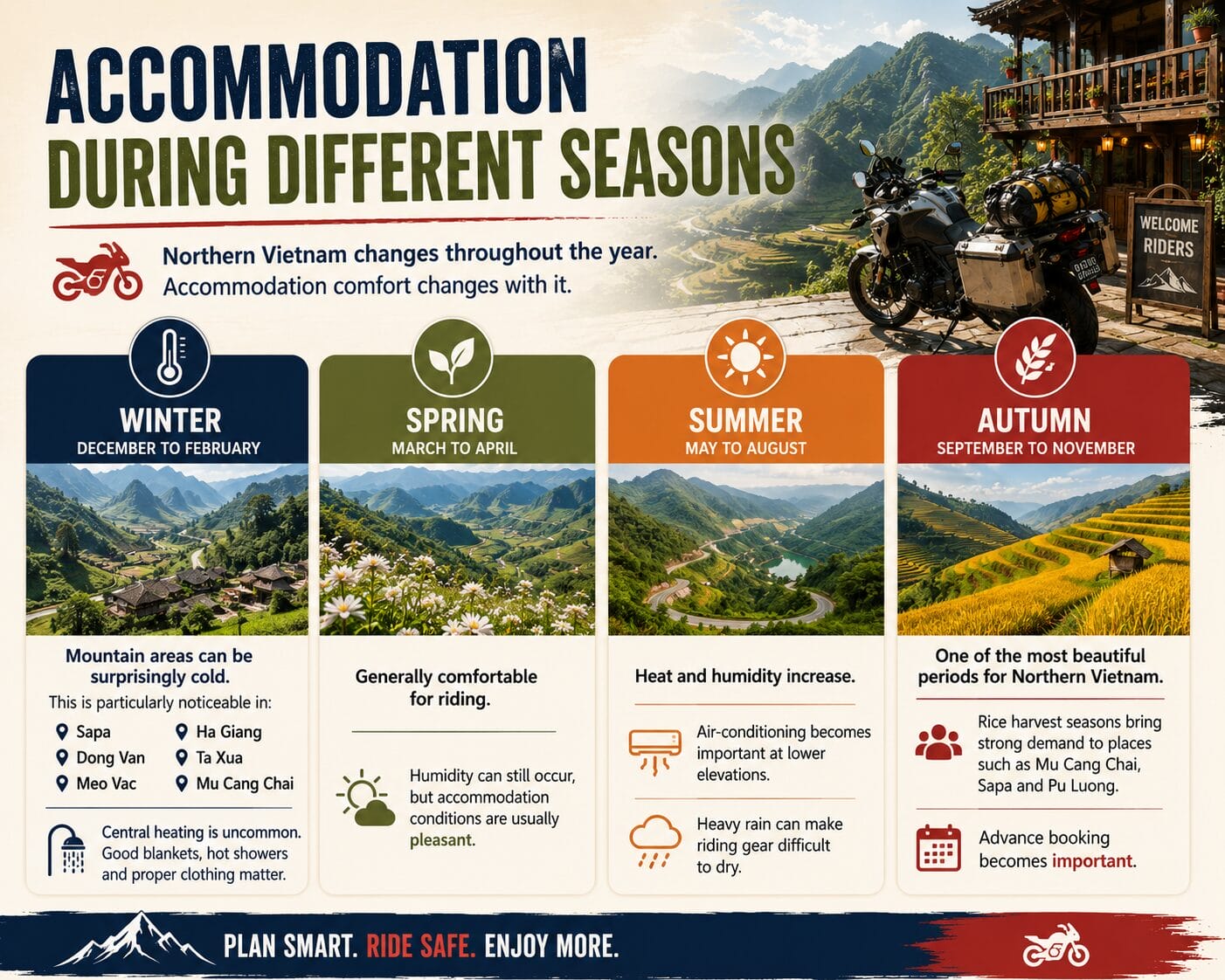
Northern Vietnam changes enormously throughout the year.
Accommodation comfort changes with it.
Winter: December to February
Mountain areas can become surprisingly cold.
This is particularly noticeable in:
👉 Sapa
👉 Dong Van
👉 Meo Vac
👉 Ha Giang
👉 Ta Xua
👉 Mu Cang Chai
Central heating is uncommon.
Good blankets, hot showers and proper clothing therefore matter.
Spring: March to April
Generally comfortable for riding.
Humidity can still occur, but accommodation conditions are usually pleasant.
Summer: May to August
Heat and humidity increase.
Air-conditioning becomes important at lower elevations.
Heavy rain can make riding gear difficult to dry.
Autumn: September to November
One of the most beautiful periods for Northern Vietnam.
Rice harvest seasons bring strong demand to places such as Mu Cang Chai, Sapa and Pu Luong.
Advance booking becomes important.
5. Homestay Etiquette: Respecting Local Culture
A homestay is someone’s home before it is your accommodation.
👉 This distinction deserves respect.
👉 Simple gestures make a big difference.
👉 Remove shoes when requested.
👉 Ask before photographing family members.
👉 Dress respectfully in communal areas.
👉 Avoid excessive noise late at night.
👉 Respect family altars and sacred spaces.
👉 Do not assume that every part of the house is accessible to guests.
👉 Showing curiosity about local food and customs is normally welcomed.
In many ethnic communities, travellers discover that cultural exchange happens naturally around the dinner table.
You do not need to speak fluent Vietnamese.
A smile, patience and genuine interest often communicate enough.
6. Should You Always Choose the Best Hotel Available?
Not necessarily.
One of the mistakes in designing an adventure tour is attempting to maximise hotel standards every single night.
The result can actually reduce the travel experience.
A luxury hotel may require leaving a beautiful mountain village and riding another 50 kilometres into a city.
That makes little sense if the purpose of the journey is to experience remote Northern Vietnam.
A better strategy is to create balance.
For example:
Night 1: Comfortable hotel
Night 2: Local guesthouse
Night 3: Scenic homestay
Night 4: Comfortable hotel
Night 5: Mountain lodge
This rhythm allows riders to experience authentic local life without becoming exhausted by basic accommodation every night.
7. A Final Word From Our Riding Experience
The accommodation you remember most from Northern Vietnam may not be the one with the softest mattress.
It might be the wooden house beside Ba Be Lake where you drank tea with a Tay family.
It might be a tiny guesthouse in Dong Van after crossing a foggy mountain pass.
It might be waking above the clouds in Ta Xua.
Or sitting outside a homestay in Pu Luong listening to insects and distant village sounds after the motorcycles have finally gone quiet.
That is the beauty of motorcycle travel.
Luxury has its place.
Comfort matters.
Cleanliness matters.
Safety matters.
But adventure is also about allowing a destination to remain itself.
At Vietnam Motorbike Tours, our approach is therefore not simply to select the highest-rated hotel available online.
We select accommodation according to the riding route, season, group profile, motorcycle parking, cleanliness, local experience and the level of comfort realistically available at each destination.
Sometimes that means a comfortable hotel.
Sometimes it means a family guesthouse.
And sometimes the best place to sleep is a traditional wooden house overlooking mountains that most travellers will never see.
Because on a real Northern Vietnam motorbike journey, accommodation is not merely where the riding day ends.
It is part of the journey itself.